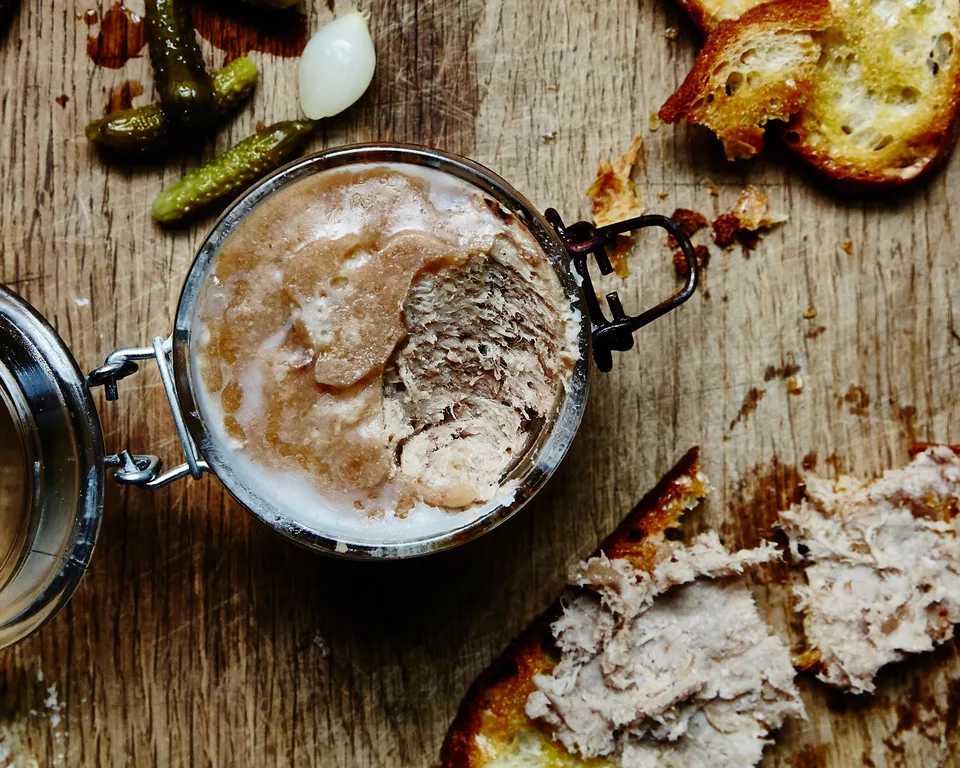
Ingredients
Rillettes
Method
- Combine shoulder, spirit, garlic, salt, pepper, juniper and allspice. Cover; refrigerate overnight.
- Gently render belly with water over low heat for 15 minutes, stirring; replenish evaporated water.
- Heat oven to 120°C / 250°F. Add marinated pork, its liquid and optional thyme; stir-cook 15 minutes.
- Cover; bake 90 minutes. Press fat pieces, add wine, cover and bake another 1–2 hours until very tender.
- Discard thyme; press remaining fat chunks, then discard those chunks.
- Reserve most pan fat. If juices are abundant, strain and cool until fat separates. Transfer meat, remaining juices and browned bits to a mixer bowl.
- Mash with paddle on low-medium speed, or a fork. Rewarm separated juices with meat, if applicable.
- Moisten with reserved fat, approximately 2–4 US tbsp.
- Serve at room temperature.
Equipment
Covered marinating bowl; Ovenproof saucepan or casserole with lid; Fork; Small bowl for reserved fat; Stand mixer with paddle, or fork for hand-mashing; Optional sieve and bowl when separating juices
Notes
- Choosing fat: suitable belly or jowl fat renders more readily than the very firm fatback Lebovitz first tried. Ask a butcher if the cut is unclear.
- Adjusting texture: reserve most of the rendered fat, then return what the meat needs. If it needs more moisture or richness, Lebovitz’s reply to a reader allows cooking liquid or duck fat.
- Using rendered lard: Lebovitz permits this in another reader reply, suggesting about half the stated quantity of added fat as a starting point.
- Seasonings: leave out juniper if you cannot find it. Bay or shallots may cook with the pork, although no quantities are given. Add optional thyme during marinating or cooking and remove its branches before mashing.
- Avoiding added alcohol: use alcohol-free apple cider with a little lemon juice instead of both the spirits and the wine.
- Serving: bring to room temperature and eat with baguette and cornichons, or use as a sandwich filling.
- Storage: Lebovitz gives one week to ten days refrigerated. He advises against freezing, which can leave the thawed texture soggy.
- Planning and belly quantity: allow the overnight marinade and long oven cooking. The source’s 5 oz and 155 g belly measures do not agree; the stated 155 g remains the recipe quantity.
Photos
11 photos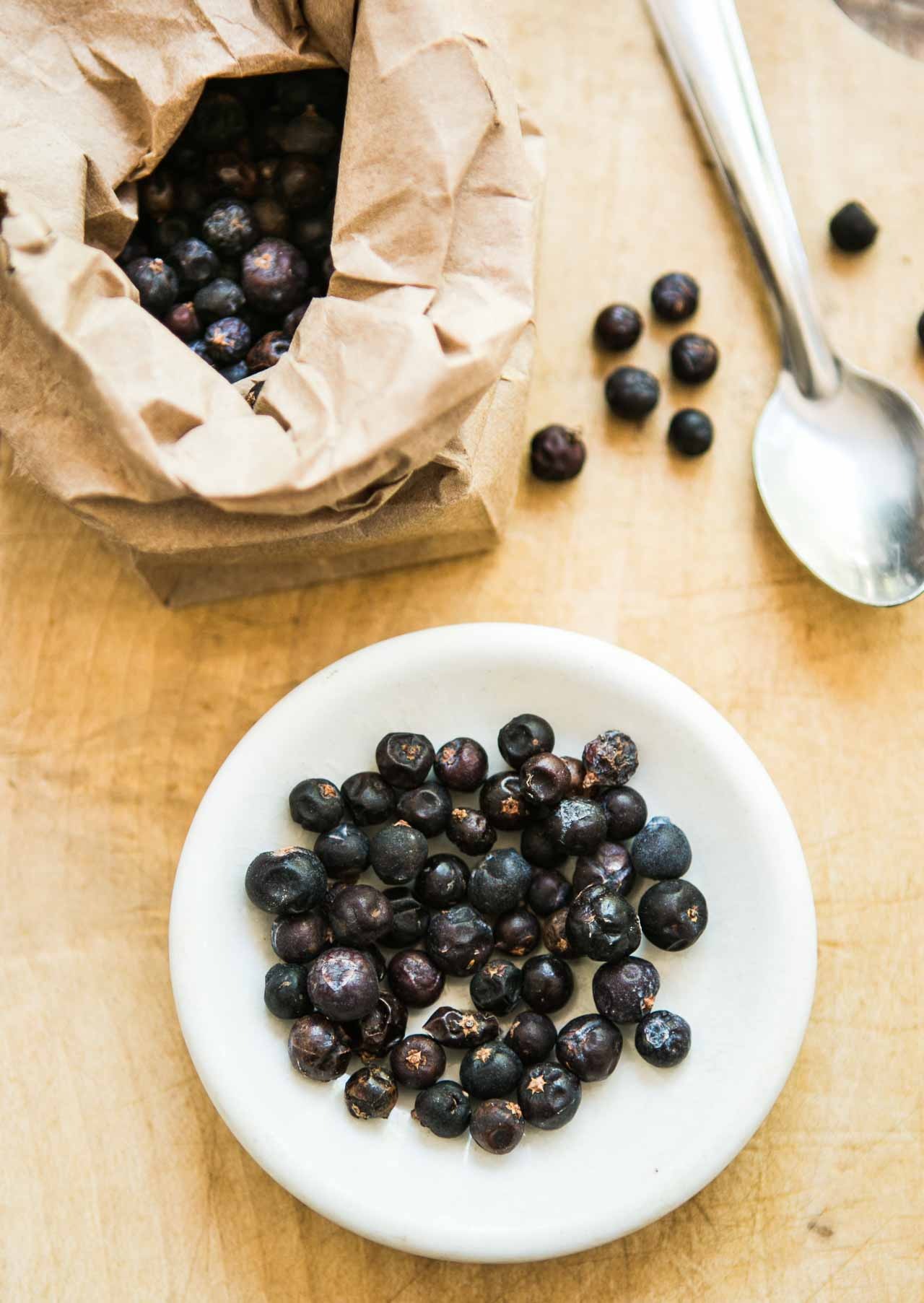 IngredientsJuniper berries
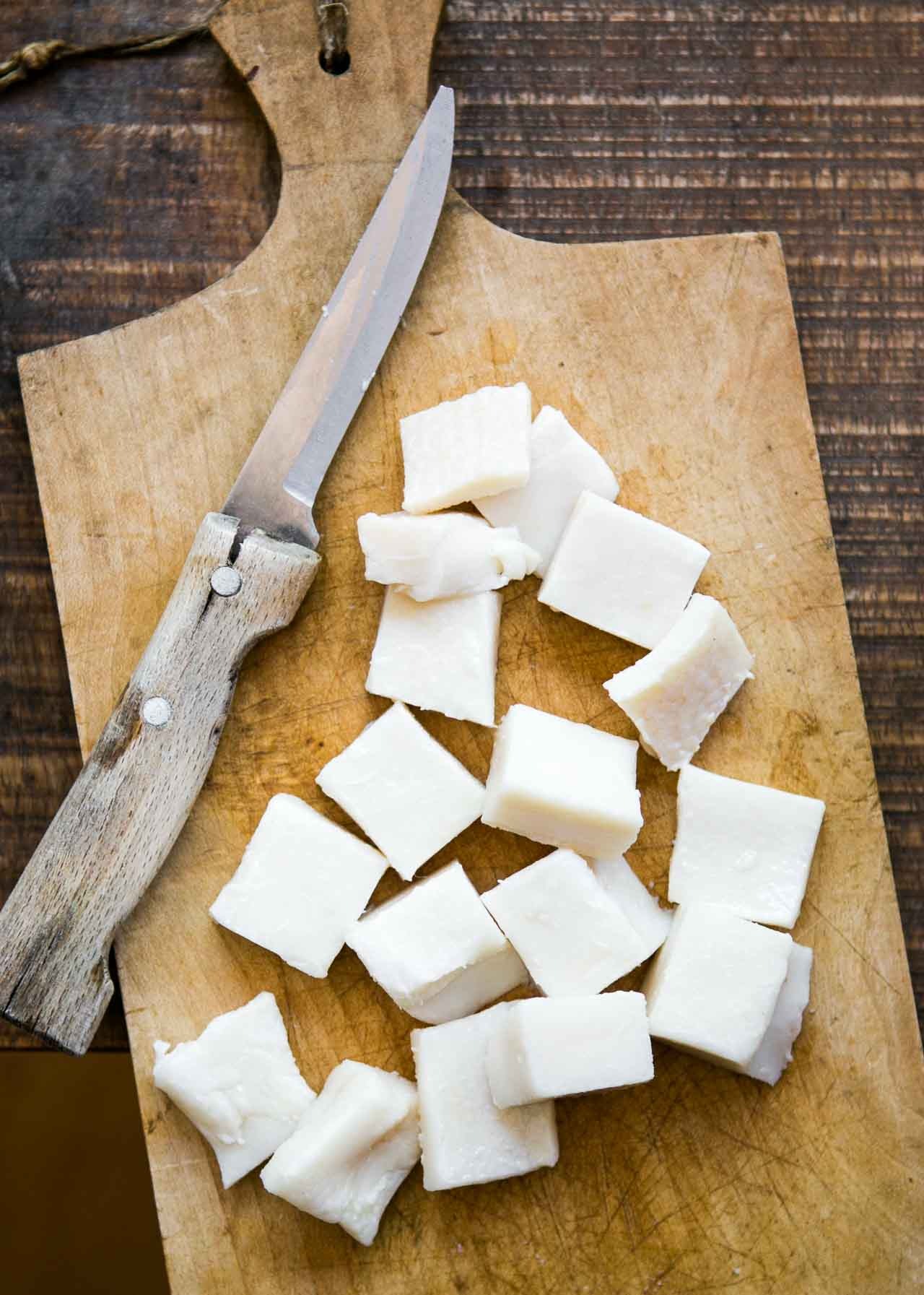 Step 2Diced pork fat
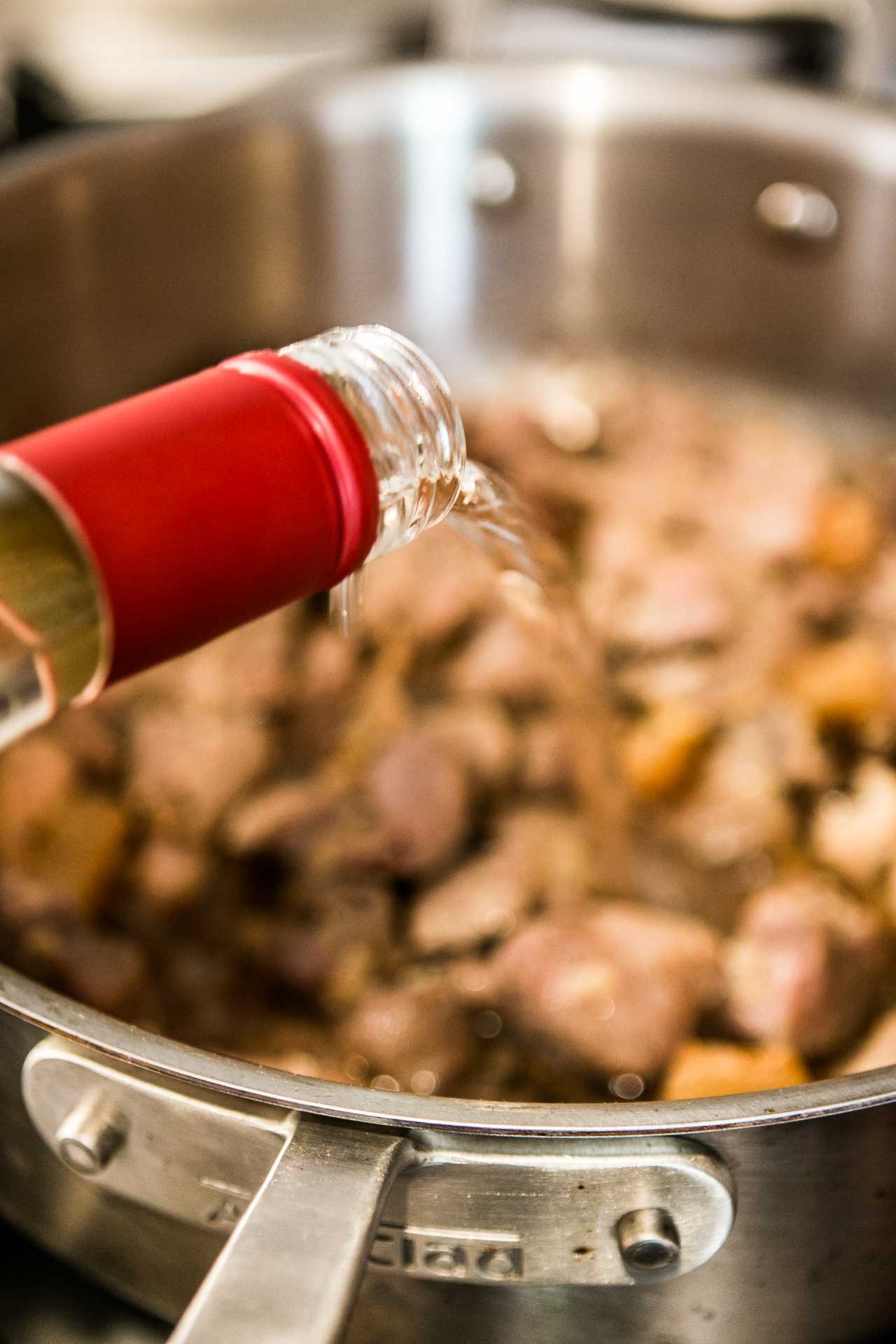 Step 4Wine added to the cooking pork
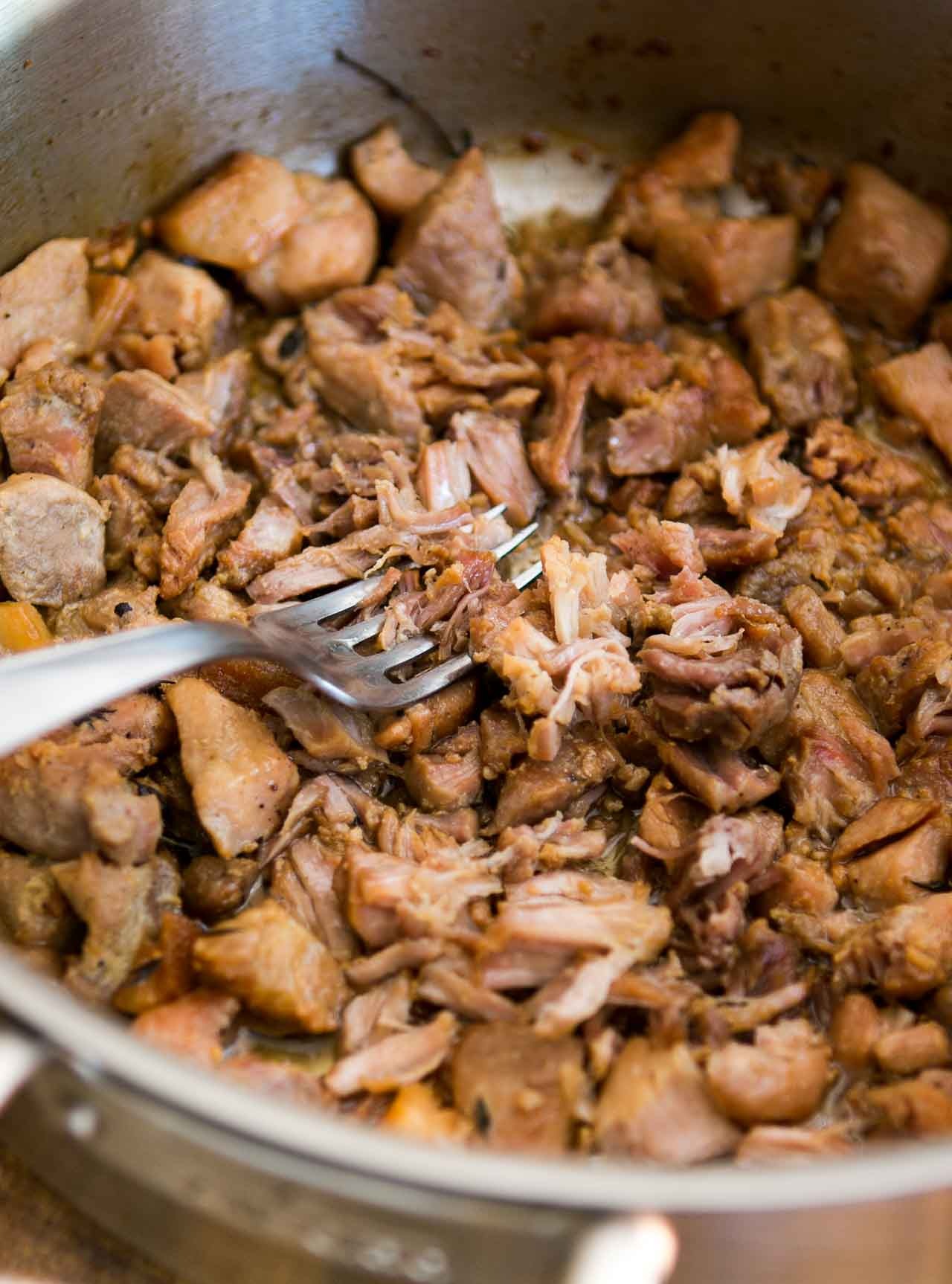 Step 4Tender pork after slow cooking
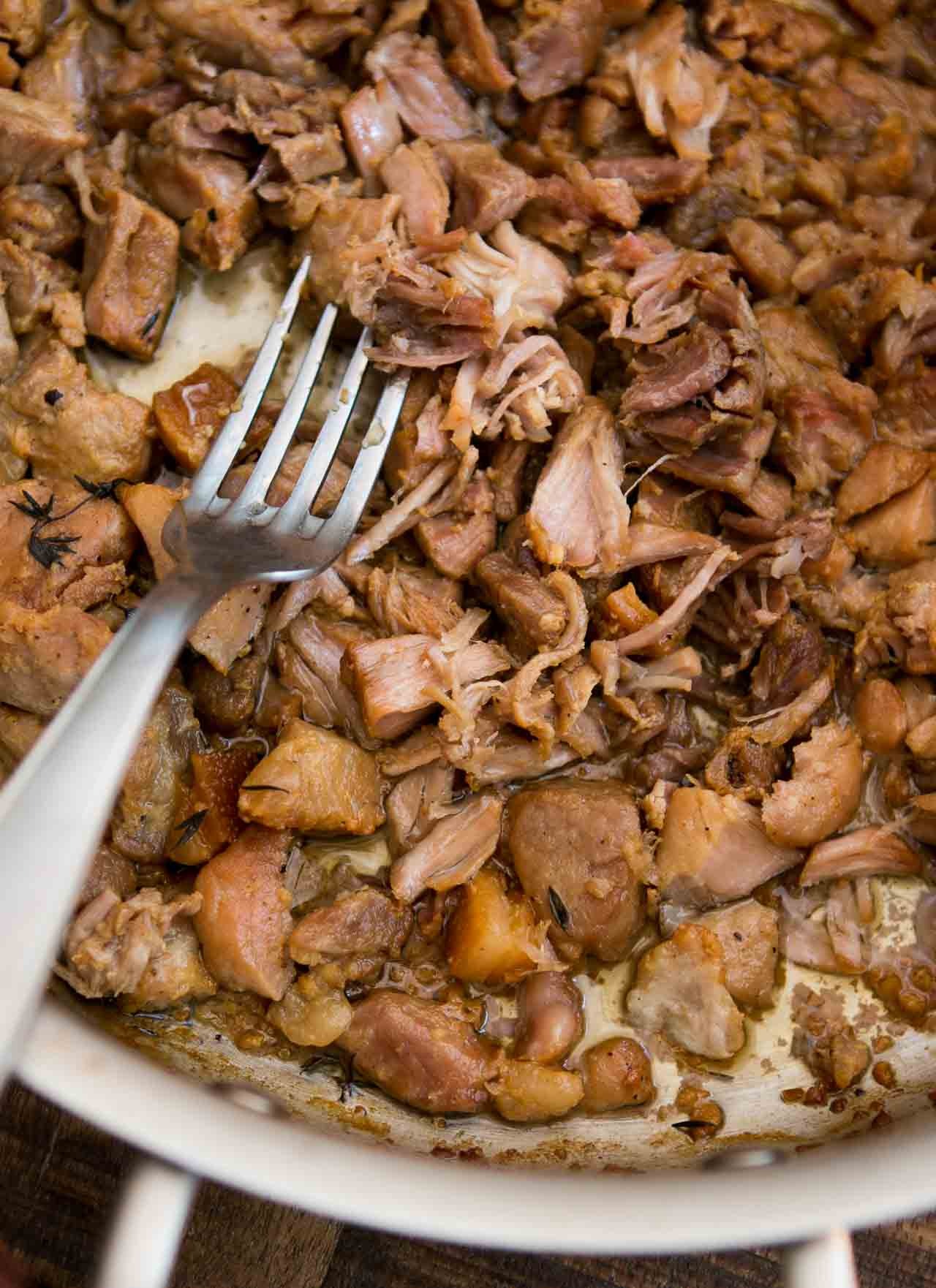 Step 7Pulling the pork into strands
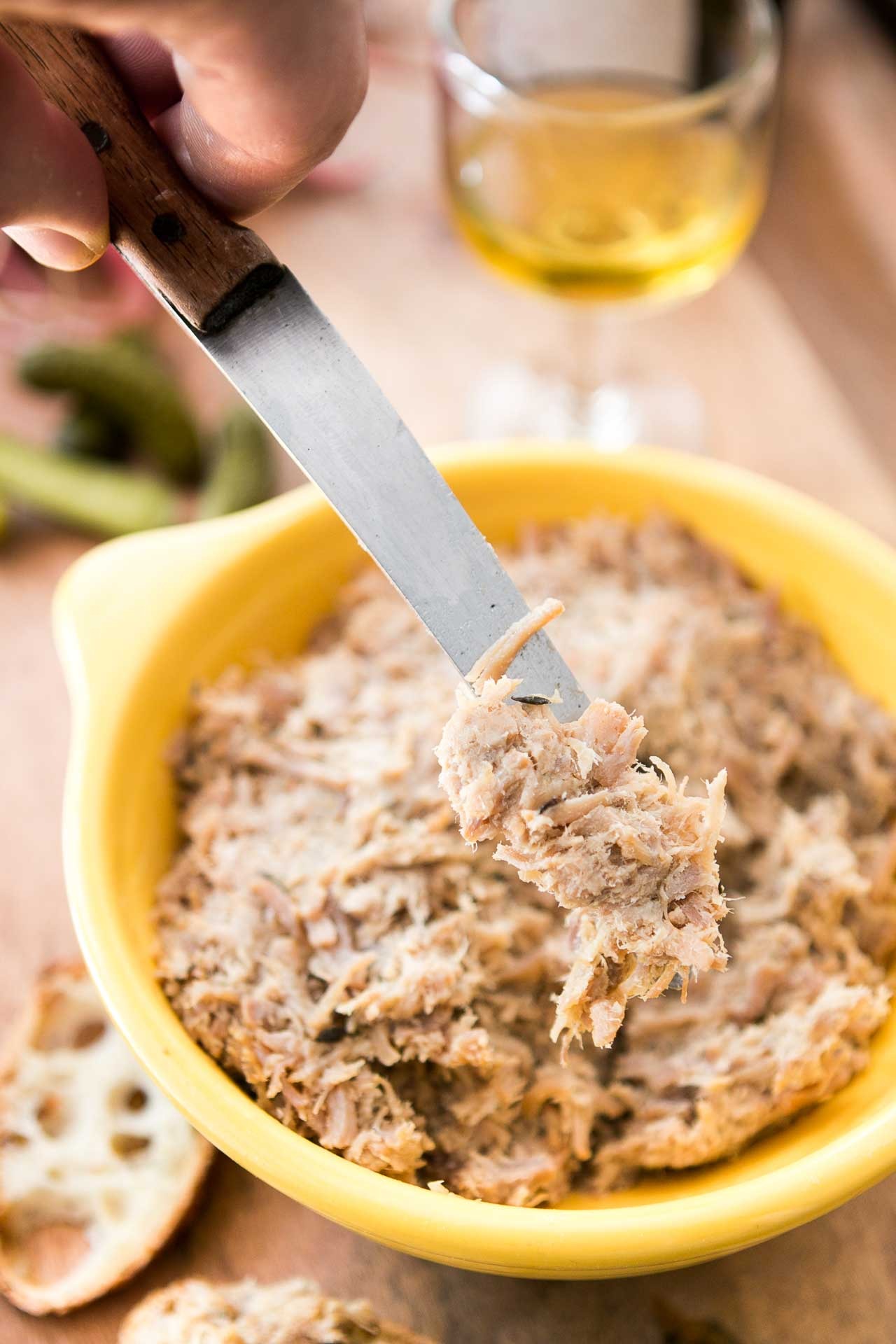 Finished dishThe finished pork spread
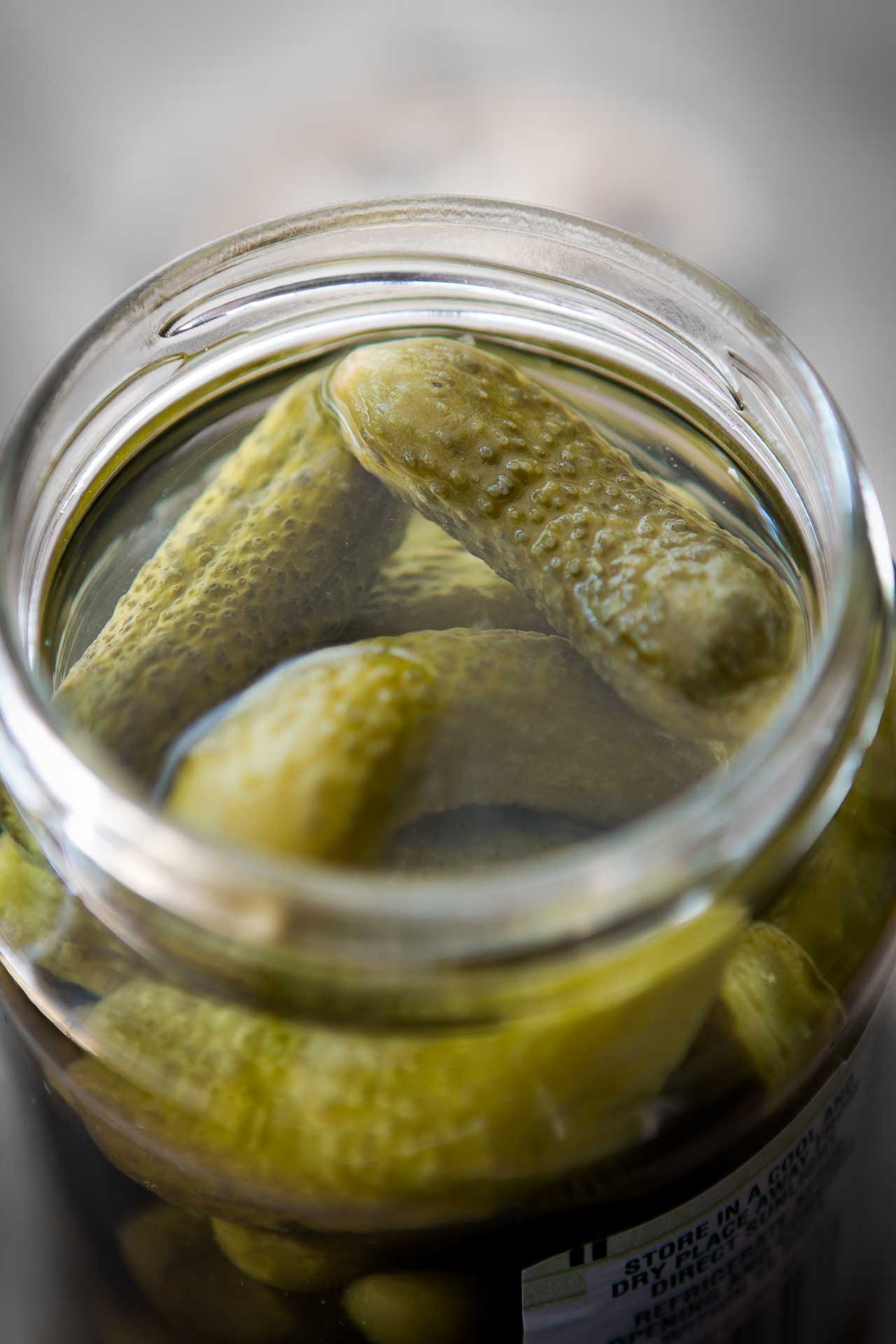 ServingCornichons to serve alongside
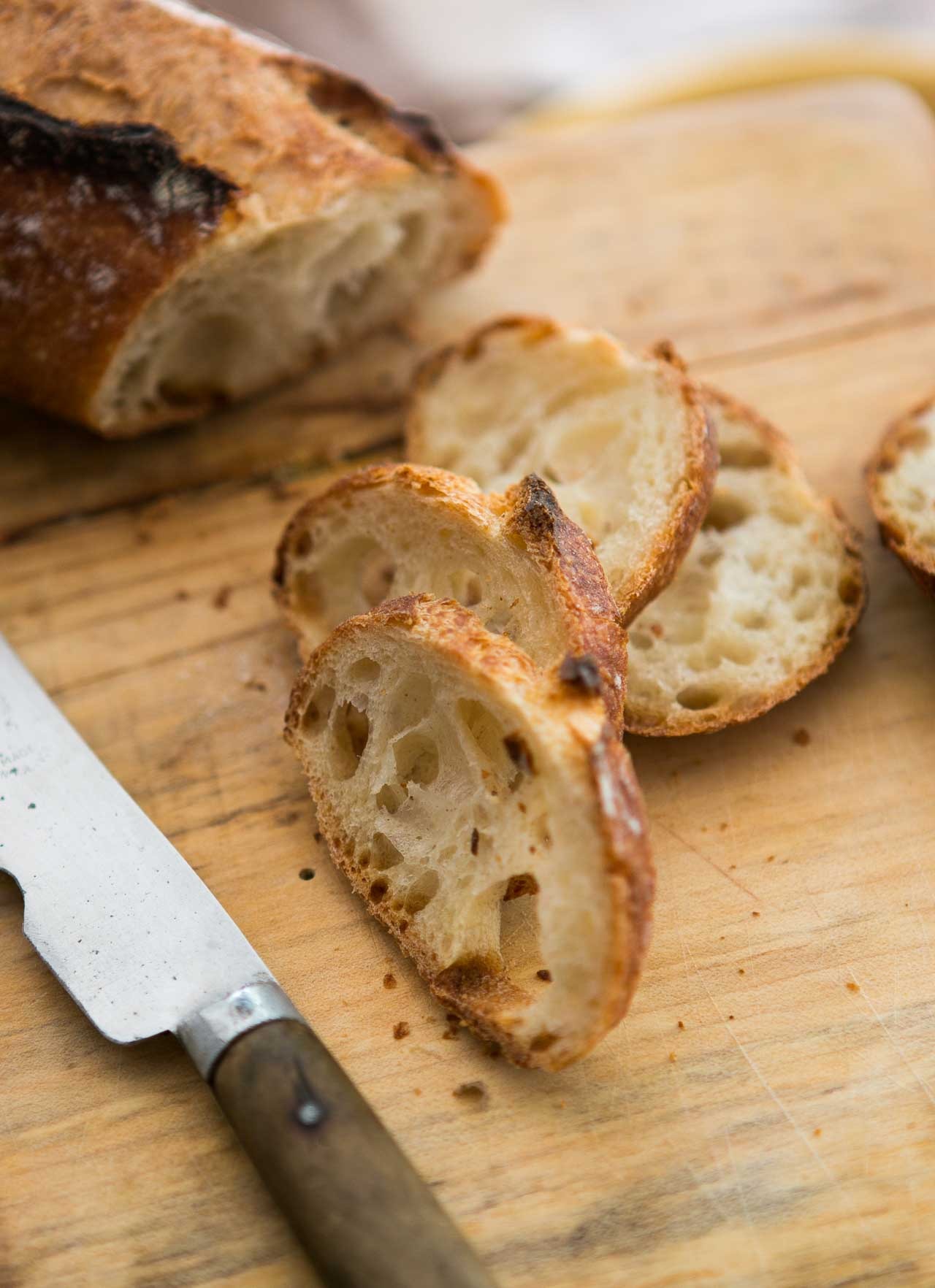 ServingBaguette slices
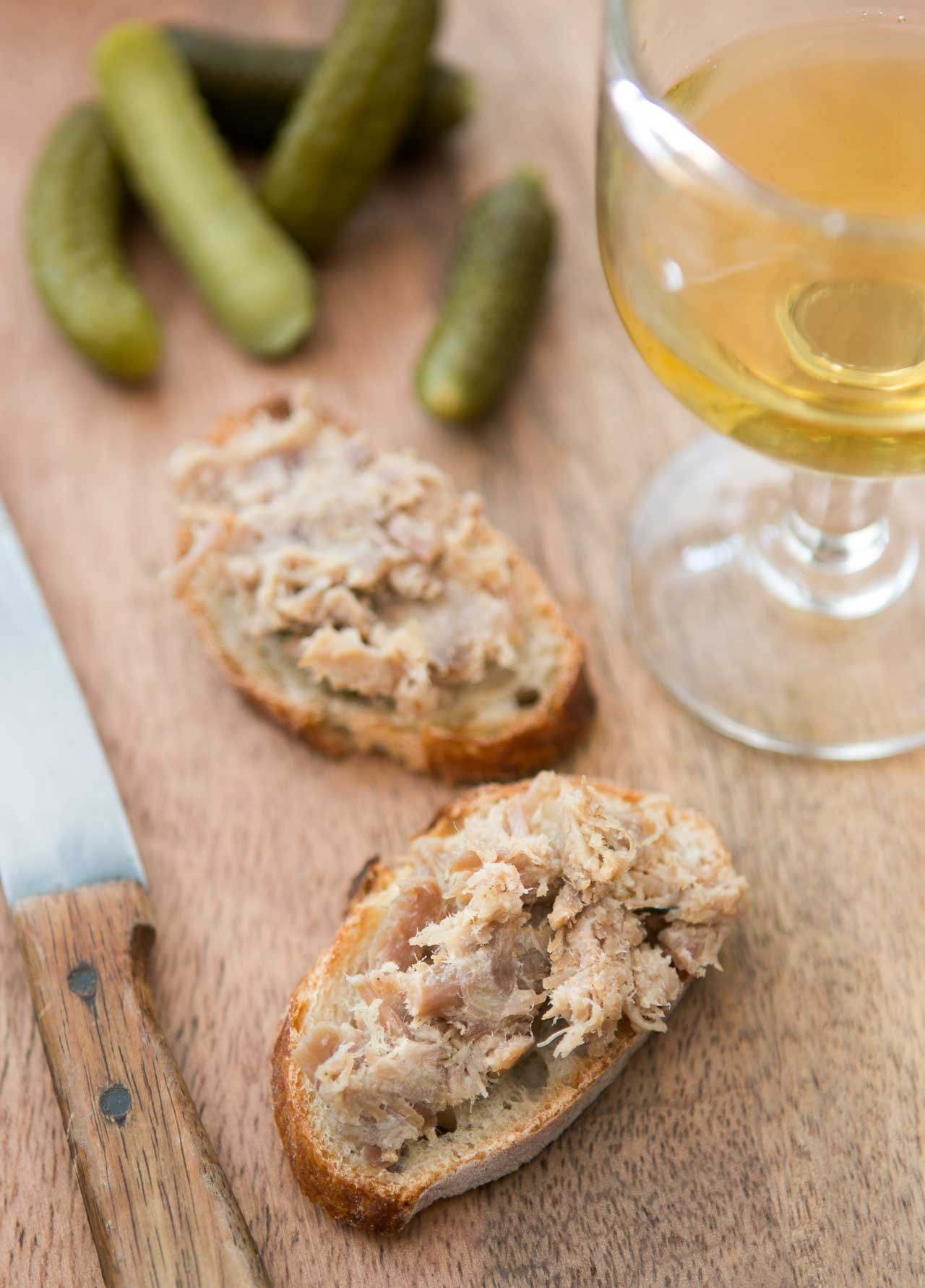 ServingRillettes on bread with cornichons
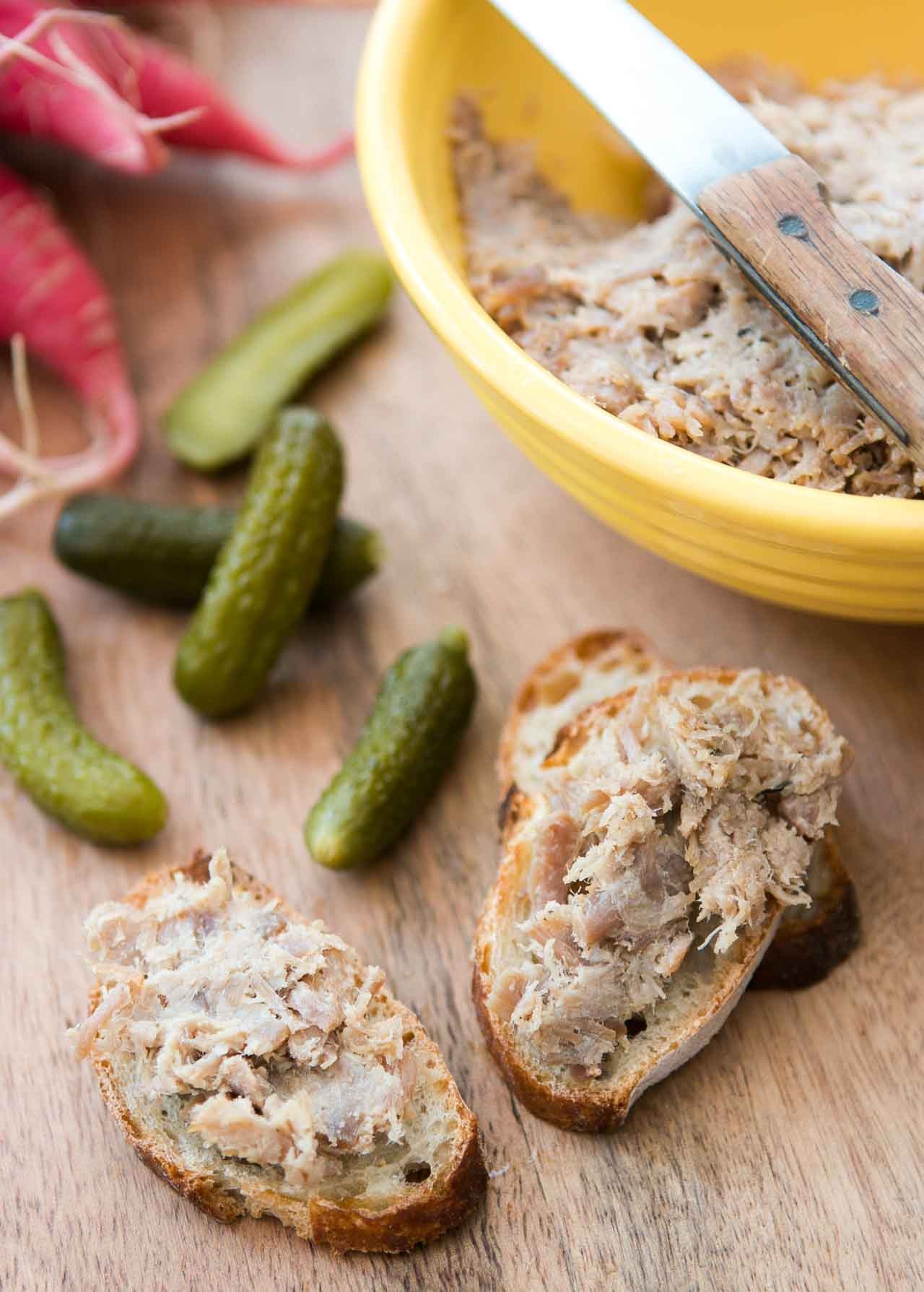 ServingPork rillettes ready to spread
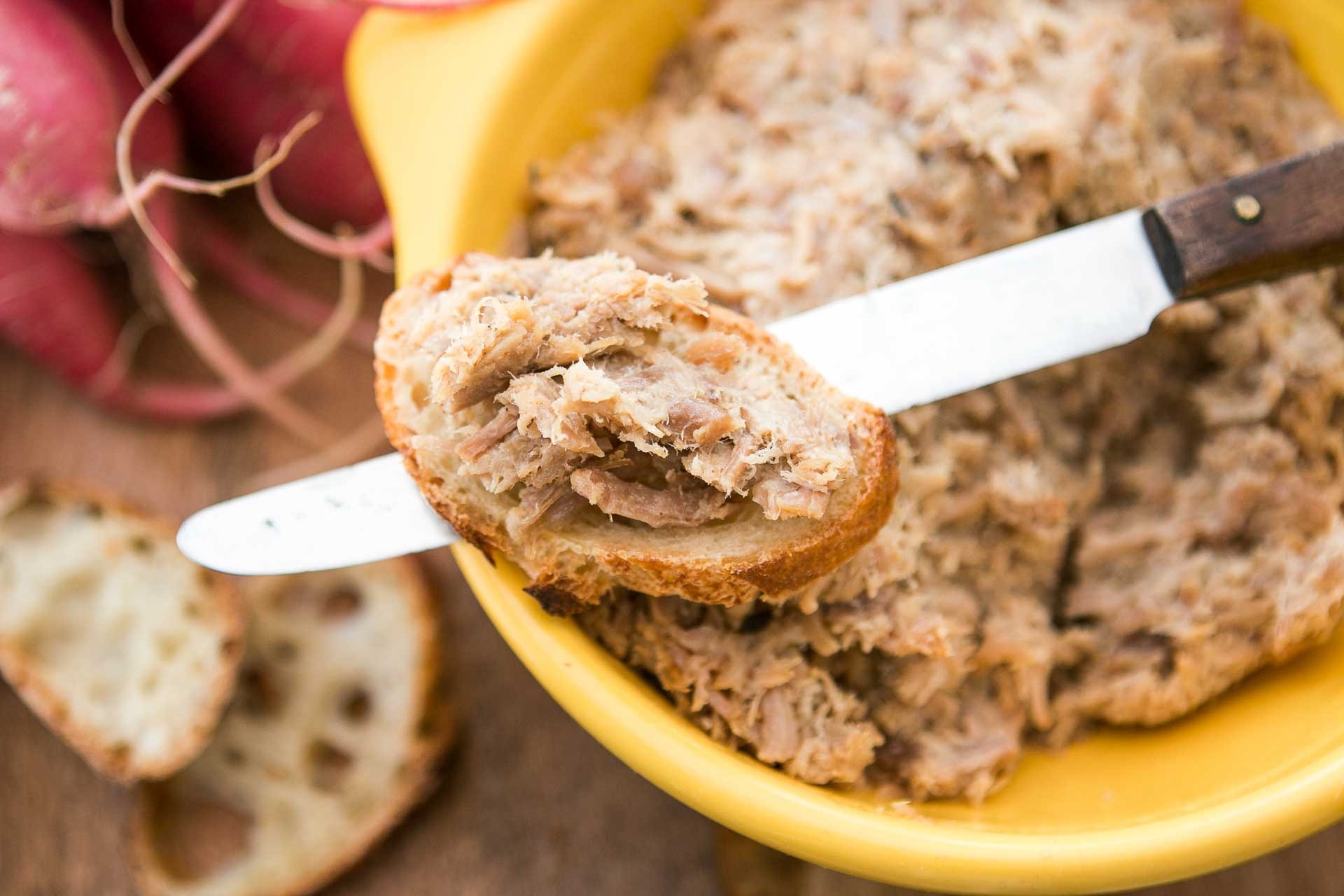 ServingA generous spoonful of rillettes
About this dish
Rillettes grew from the pork-preserving cooking of Touraine households, making use of less prized cuts before town charcutiers developed the preparation during the nineteenth century. Their visible meat fibres and spreadable richness still distinguish them within French charcuterie.
The name makes David Lebovitz think of a card game: “Care to play a few rounds of rillettes?” His recipe adapts Georgeanne Brennan’s La Vie Rustic, with allspice added to suit his taste. Getting the fat right took more than one attempt. French and American butcher’s cuts did not translate neatly, and firm fatback barely rendered in his first trial; softer jowl or belly fat worked better. He and Brennan agree that the cook must judge the final texture. Different pork releases different amounts of liquid and fat, so the useful principle is to reserve most of the fat, then restore enough to make the meat moist and spreadable.
Recipe and cooking notes adapted from David Lebovitz.