Ingredients
Stuffed aubergines
To serve
Method
- Wash the aubergines, remove the stalks and halve lengthways. Bring a large pan of salted water to the boil. Cook the halves about 15 minutes, turning halfway, in two batches if needed. The flesh should be tender and the skins strong enough to fill.
- Drain well and leave until cool enough to handle. Meanwhile, tear the stale bread into a bowl, pour over the milk and leave to soak.
- Remove the aubergine flesh carefully without damaging the skins. Squeeze out excess water, and squeeze the soaked bread too. Coarsely blend the bread; grate or briefly process the cheeses.
- Heat the oven to 200°C /392°F fan. Roughly chop the aubergine flesh and mix with the bread, eggs, cheeses, pressed garlic,5 g sliced basil and pepper. Mix evenly by hand without puréeing. The source adds no salt to the filling.
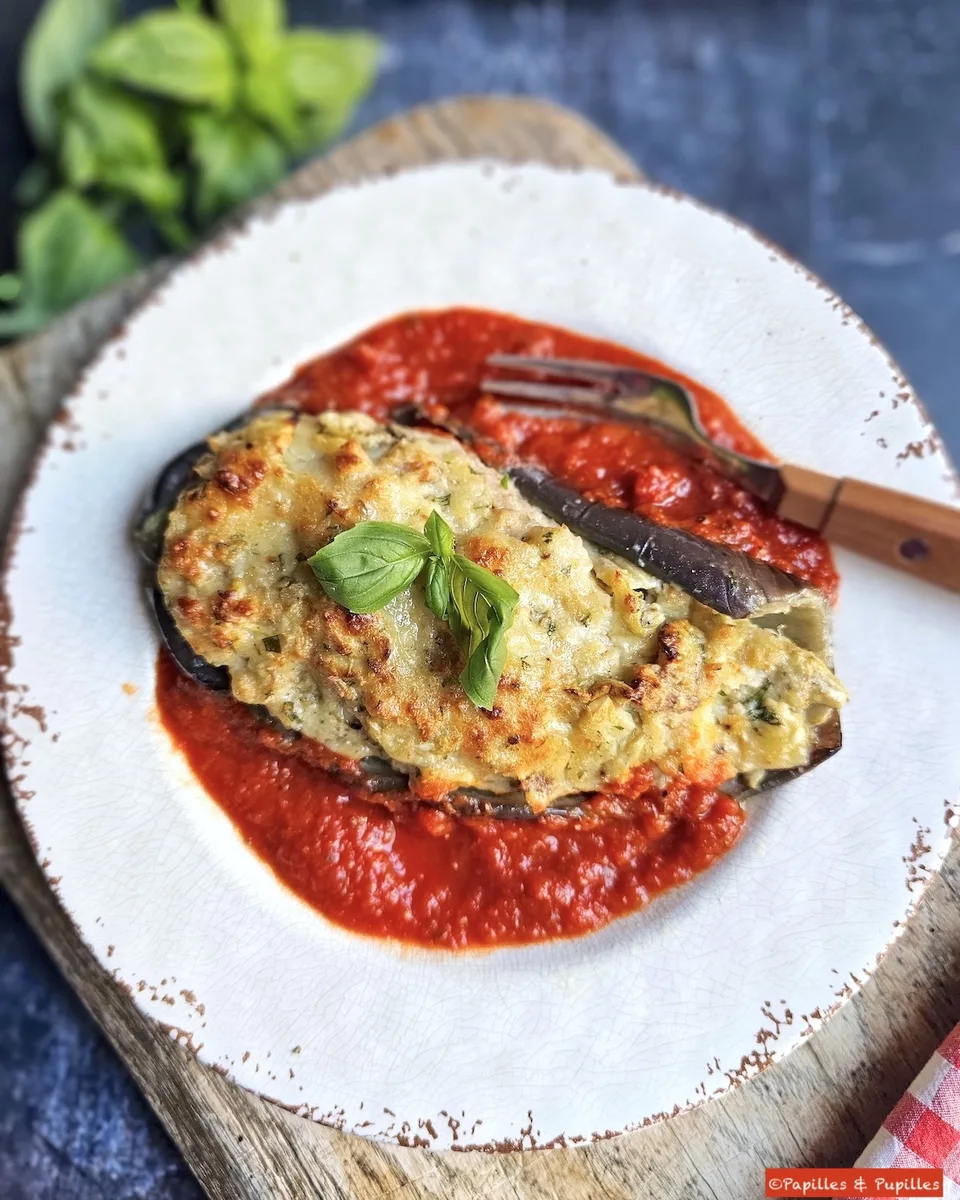
- Fill the four aubergine shells generously. Put 1 tablespoon olive oil into a large baking dish, arrange the stuffed halves and bake 20–25 minutes at 200°C fan until set and golden.
- Meanwhile, warm the 350 g tomato sauce gently. Spoon hot sauce onto four plates, add one stuffed aubergine half to each and finish with a few fresh basil leaves.
Equipment
Large sauté pan or saucepan; Colander; Mixing bowls; Food processor or grater; Grapefruit knife or small knife; Large baking dish; Saucepan
Notes
- Moisture matters: drain the aubergines well and squeeze the flesh and soaked bread. Remove excess liquid rather than drying everything out. A grapefruit knife helps separate the flesh from the skins without tearing them.
- Cheese and salt: good Corsican sheep’s cheese is welcome if available. This batch uses 100 g Basque sheep’s cheese and 37.5 g aged Parmesan. Leave extra salt out of the filling; the cheeses supply it.
- Mixing and stuffing: use your hands to distribute the bread, cheese and aromatics evenly without turning the mixture into a purée. Fill generously: the mixture fits all four halves.
- Advance preparation: stuff a few hours ahead, cover and refrigerate, then bake near serving time. Hold the tomato sauce separately.
- Reheating: give cooked aubergines 15–20 minutes at 160°C fan, until hot through. Cover lightly for the first part if the filling needs protection from drying. Heat the sauce in a separate pan.
- Freezing: freeze only after cooking and cooling, preferably without the sauce. Thaw in the refrigerator before reheating; expect a softer aubergine texture.
- Serving: this batch makes four stuffed halves from two aubergines, one half per person.
- Eggs: beat an egg before measuring the half needed, rather than rounding the quantity up or down.
- Timing: the source’s 35-minute preparation and 50-minute cooking figures leave cooling and possible separate boiling batches unquantified. Keep the stated cooking stages and judge when the filling is set and golden.
Photos
14 photos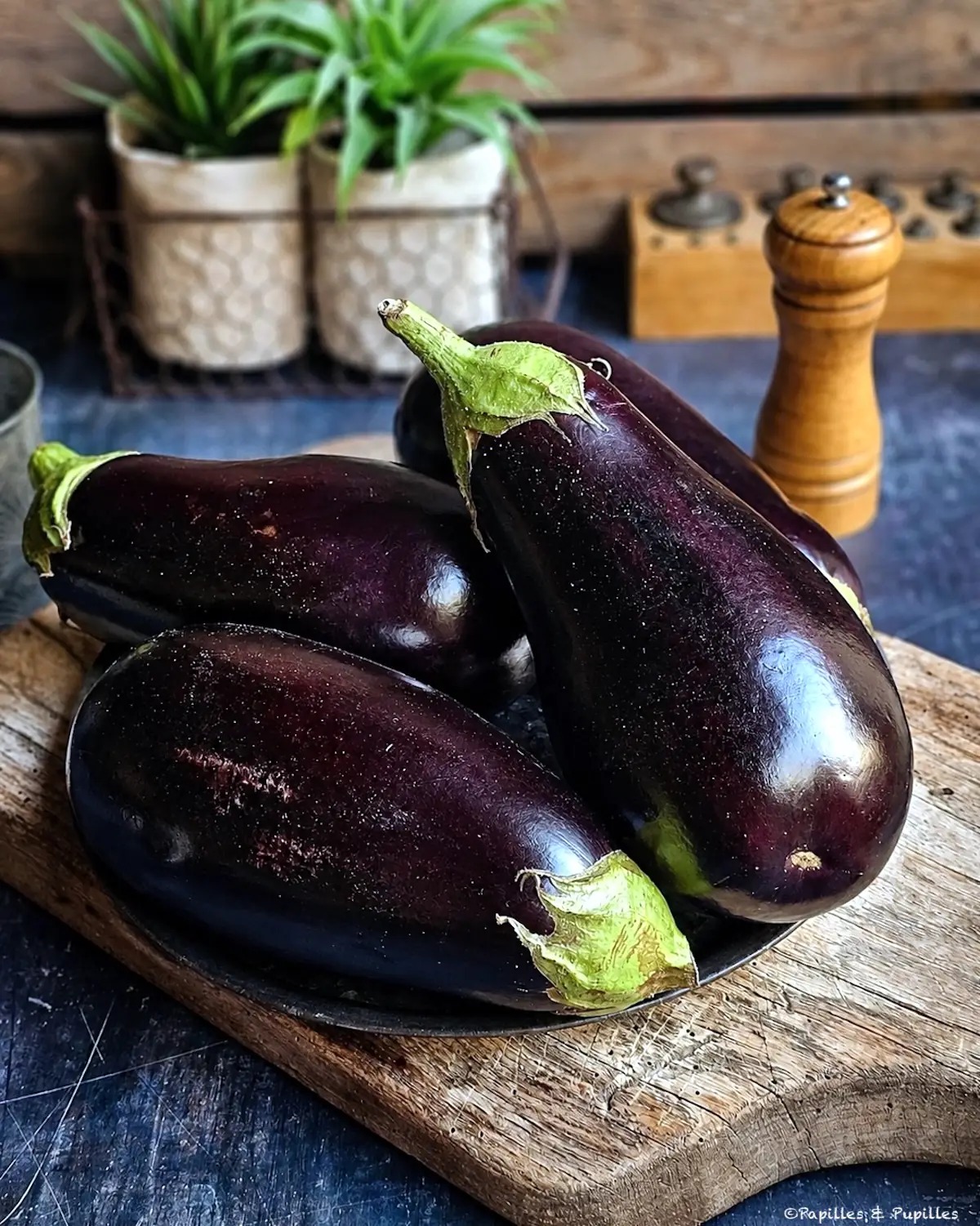 IngredientsWhole aubergines
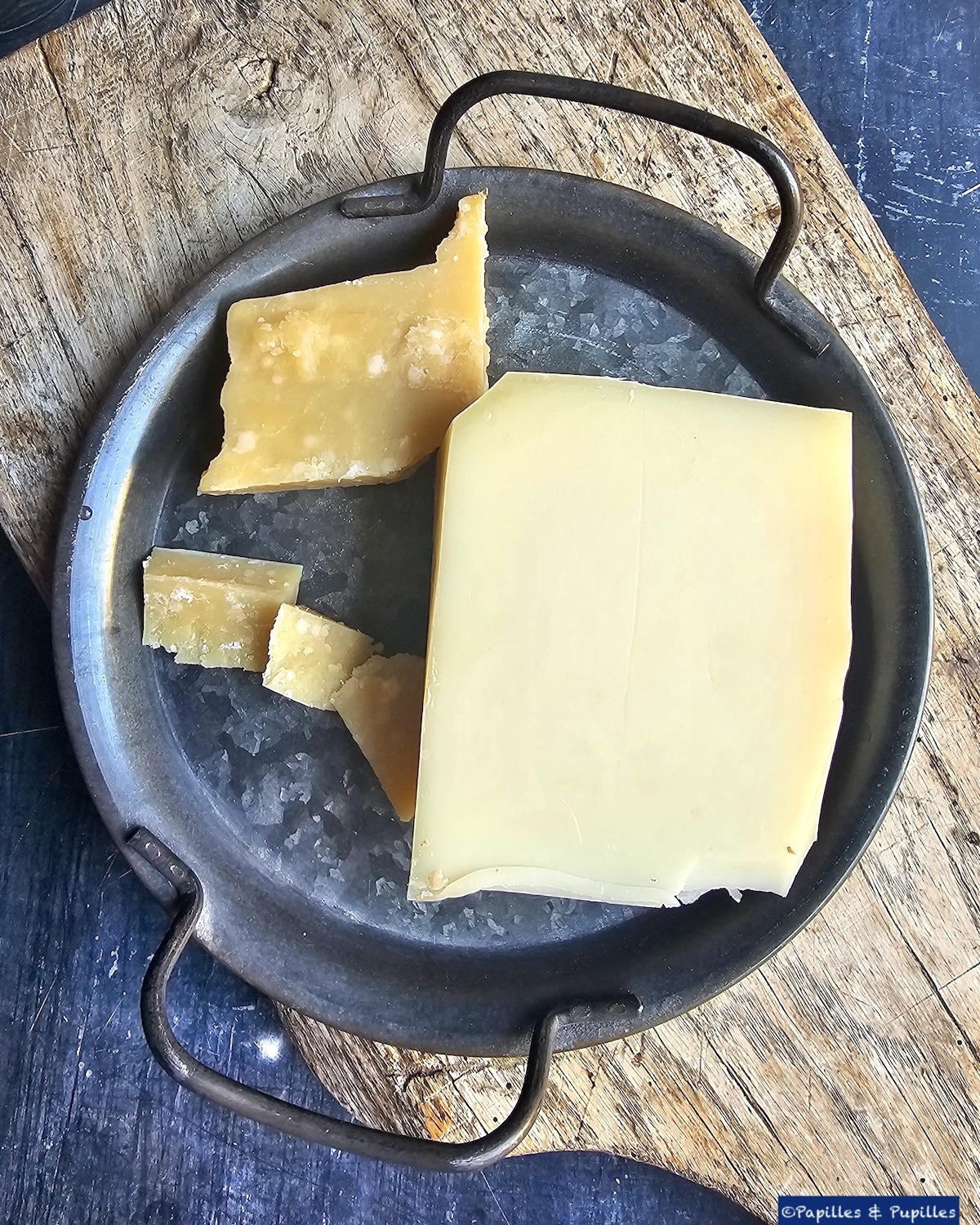 IngredientsSheep’s cheese and aged Parmesan
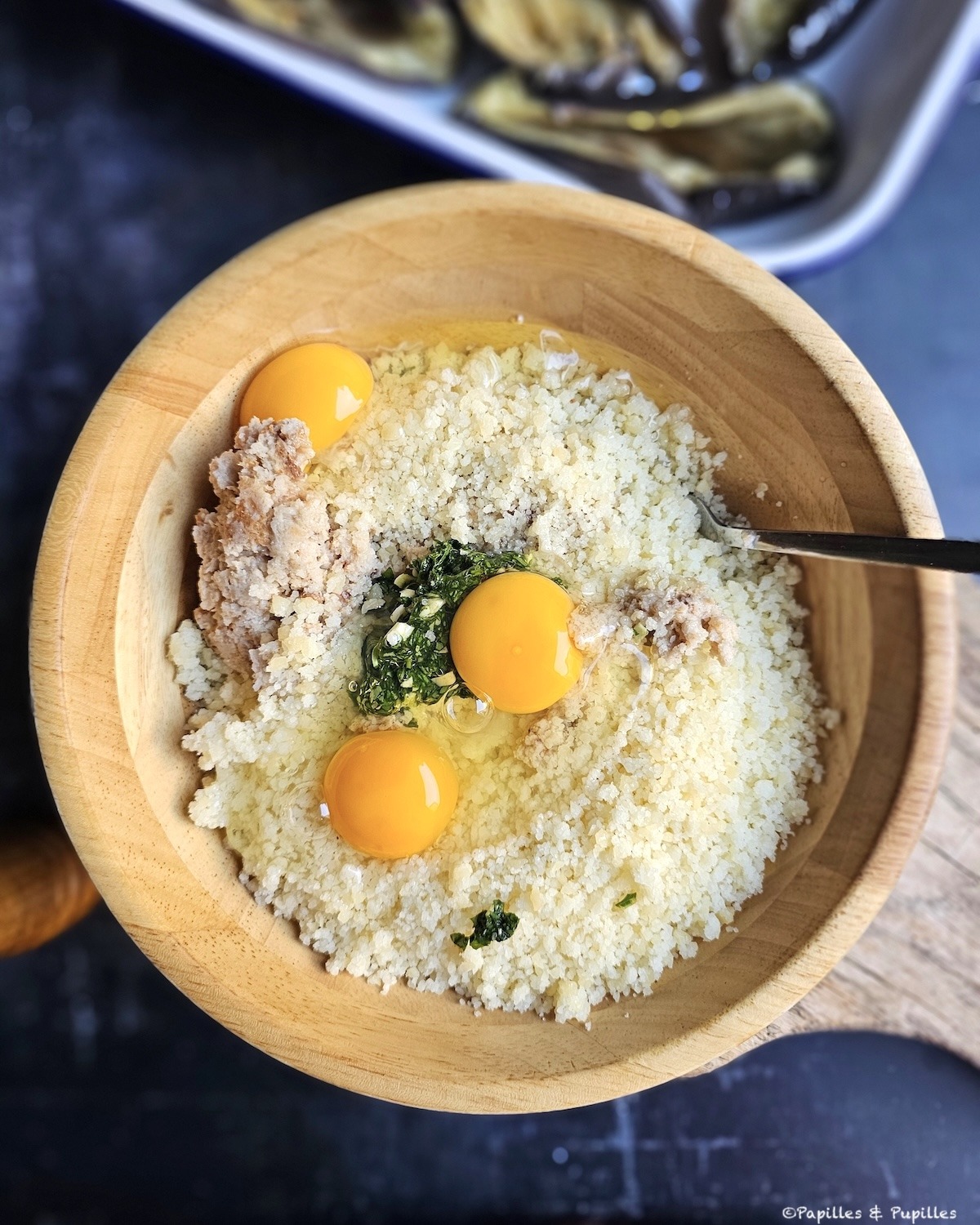 IngredientsIngredients for the filling
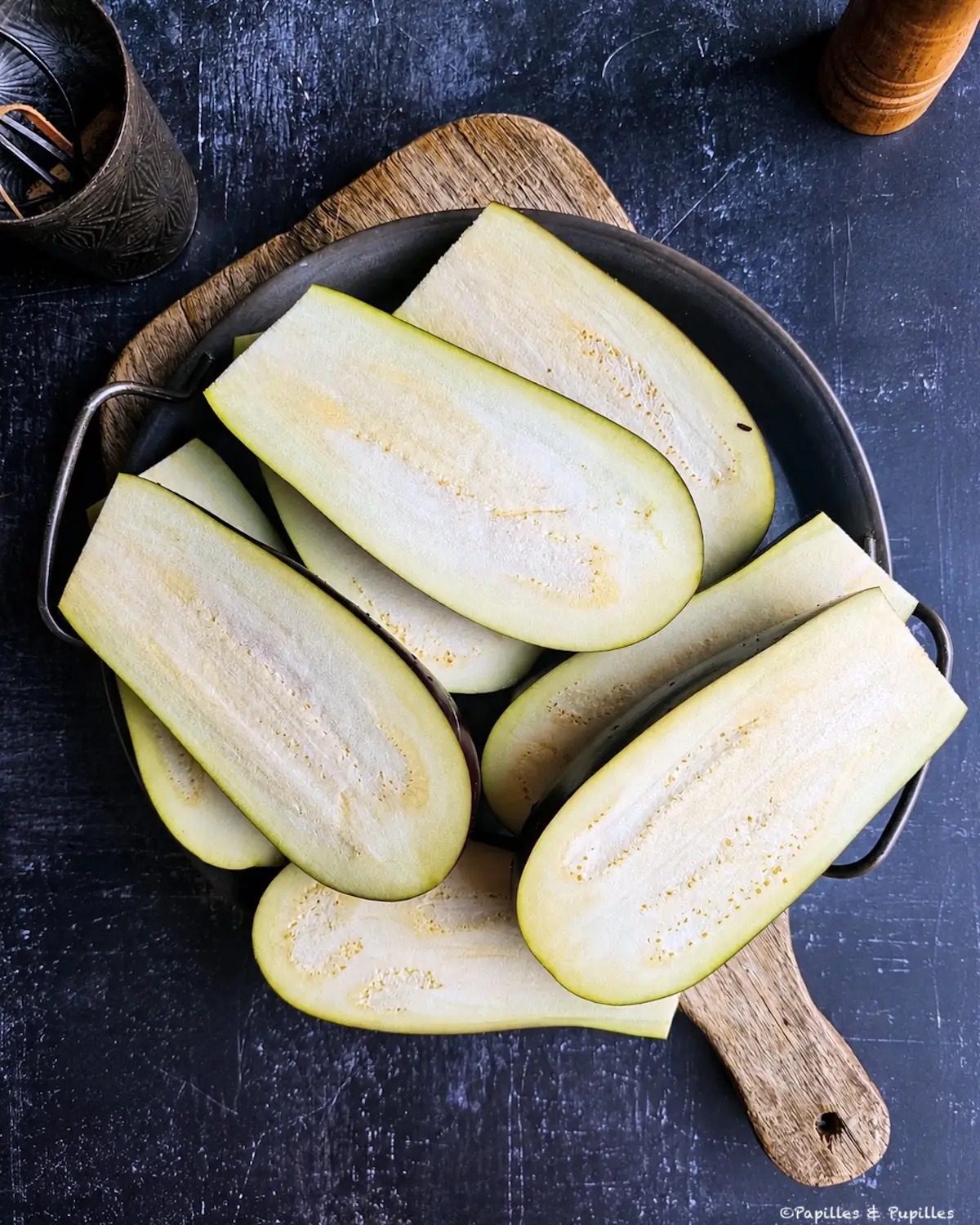 Step 1Aubergines halved lengthways
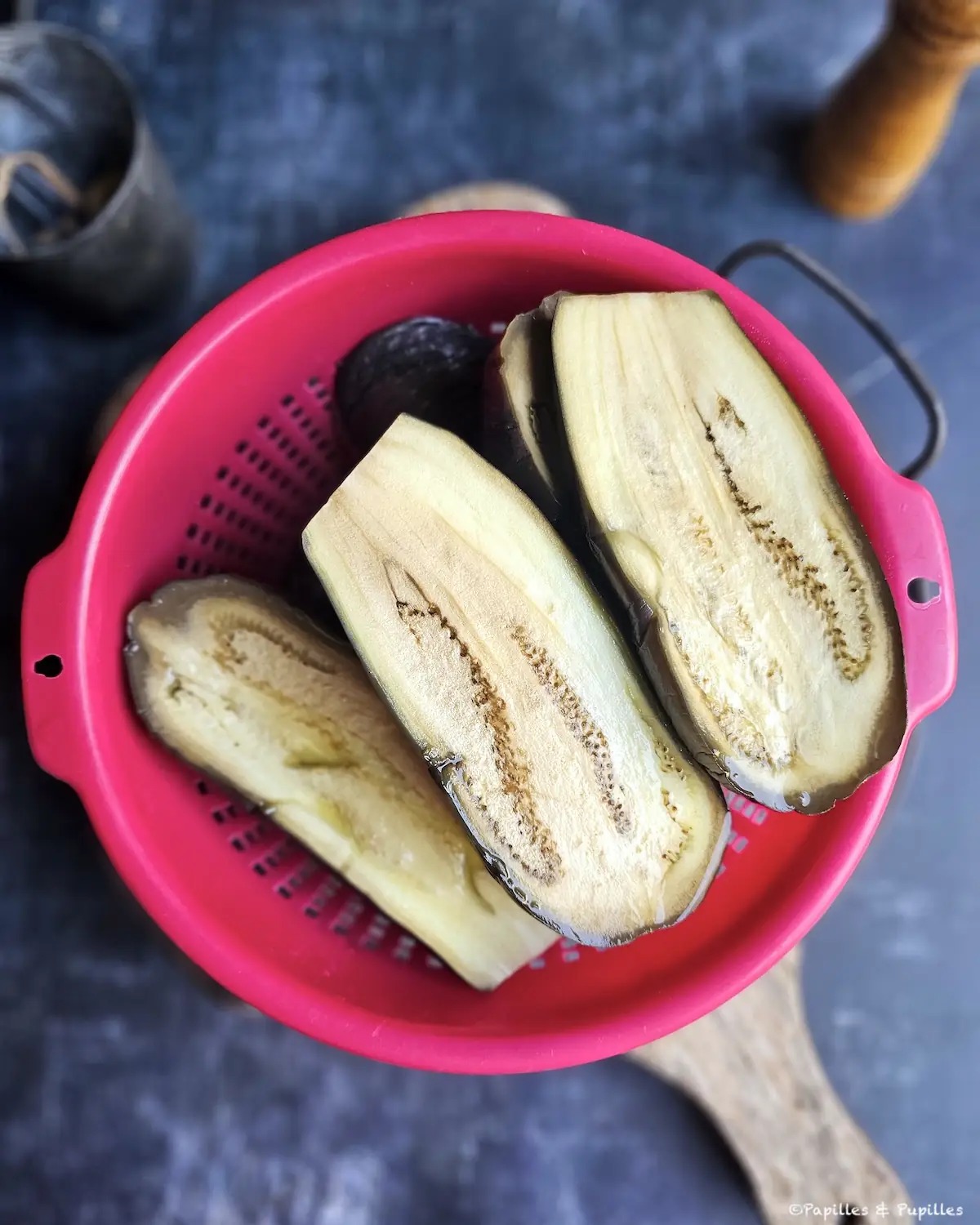 Step 1Cooked aubergines draining
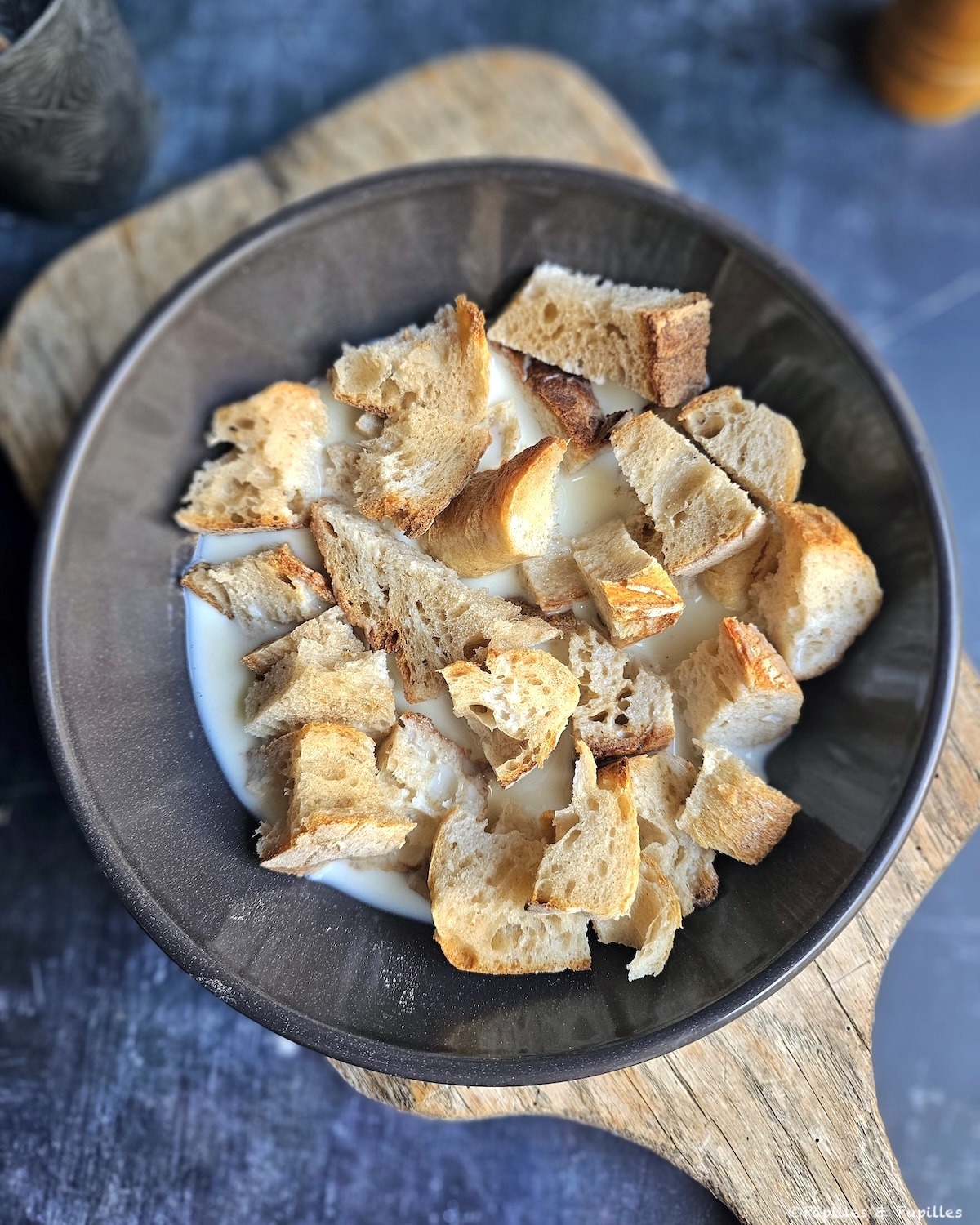 Step 2Stale bread soaking in milk
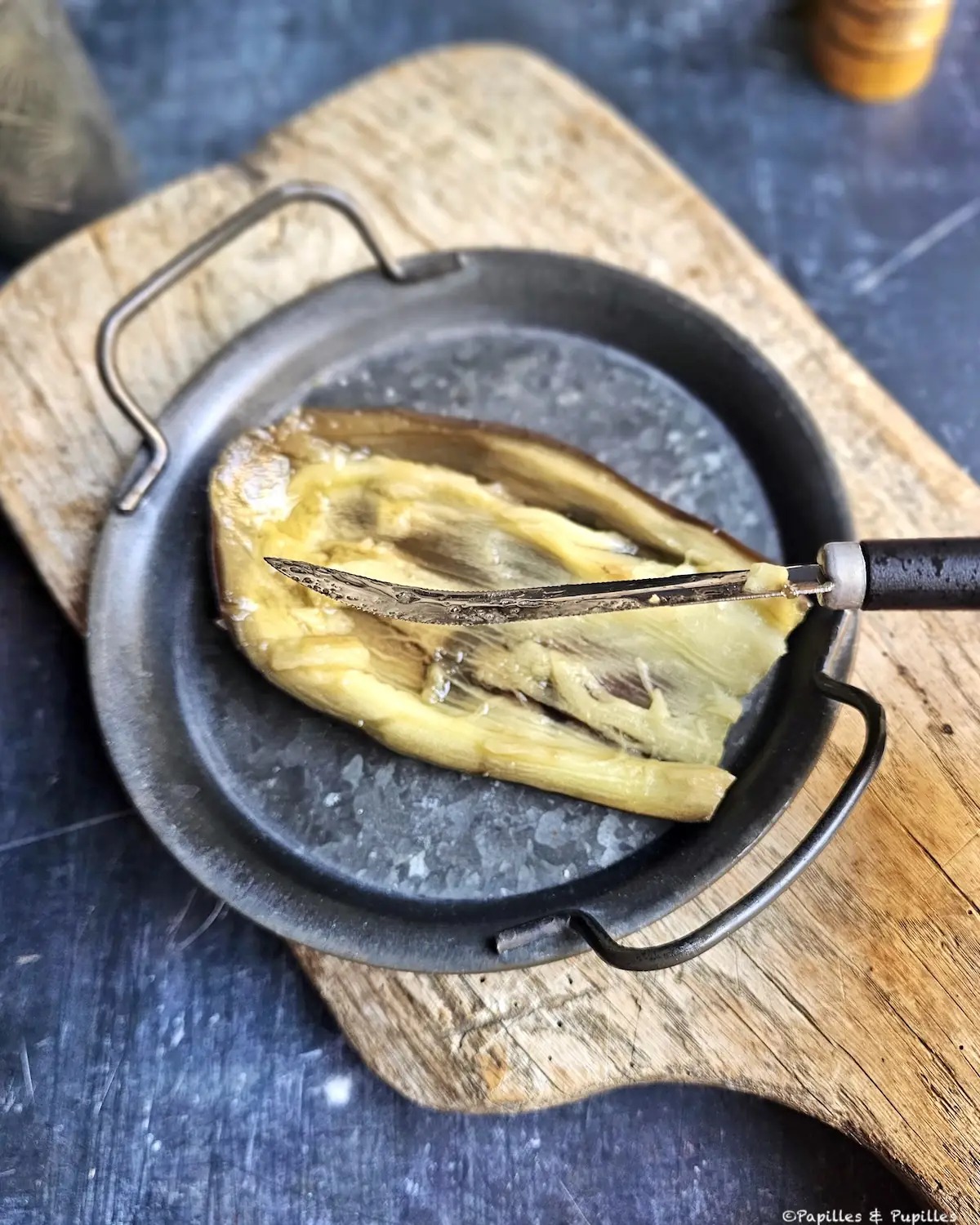 Step 3Removing the cooked flesh
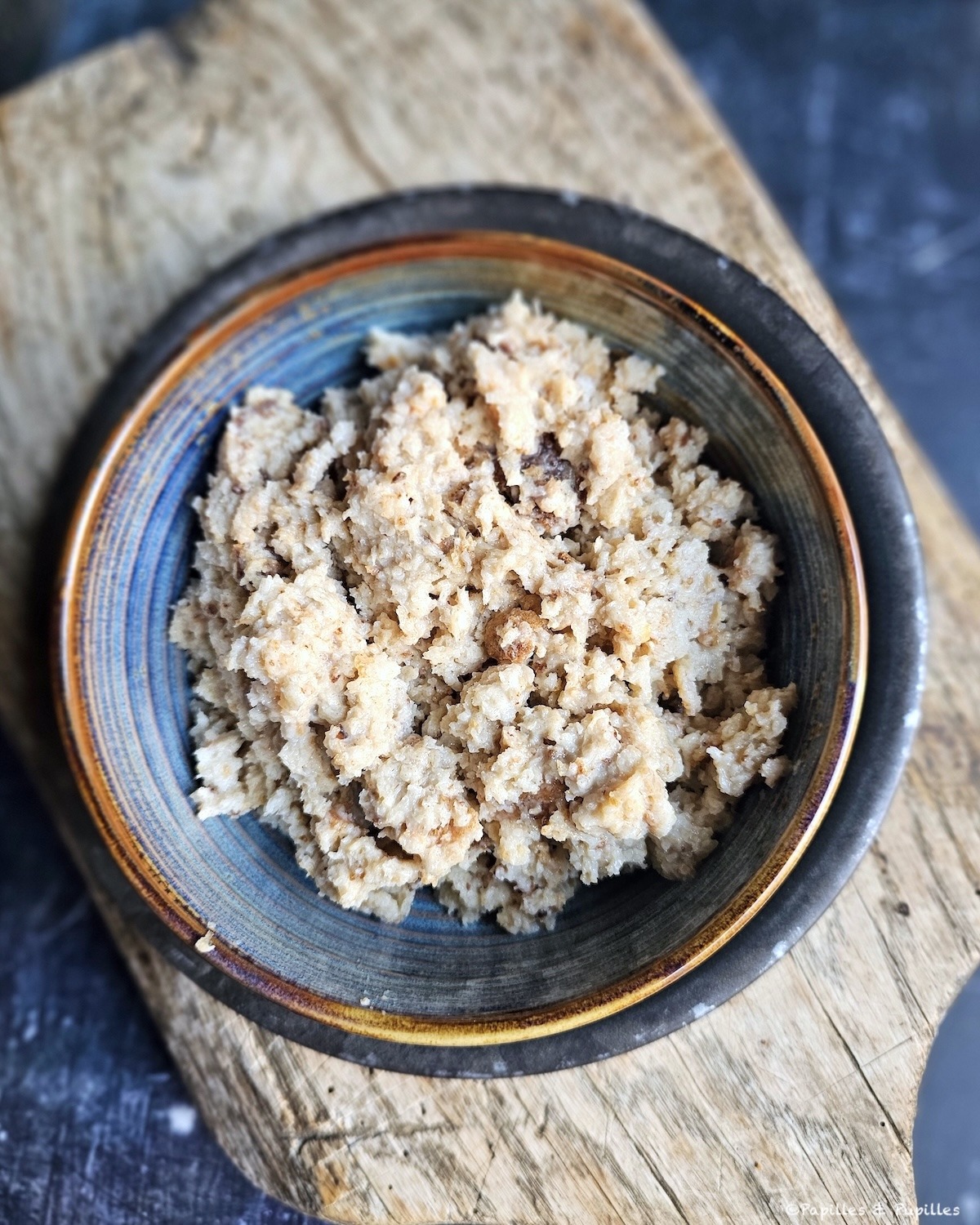 Step 3Soaked bread, coarsely processed
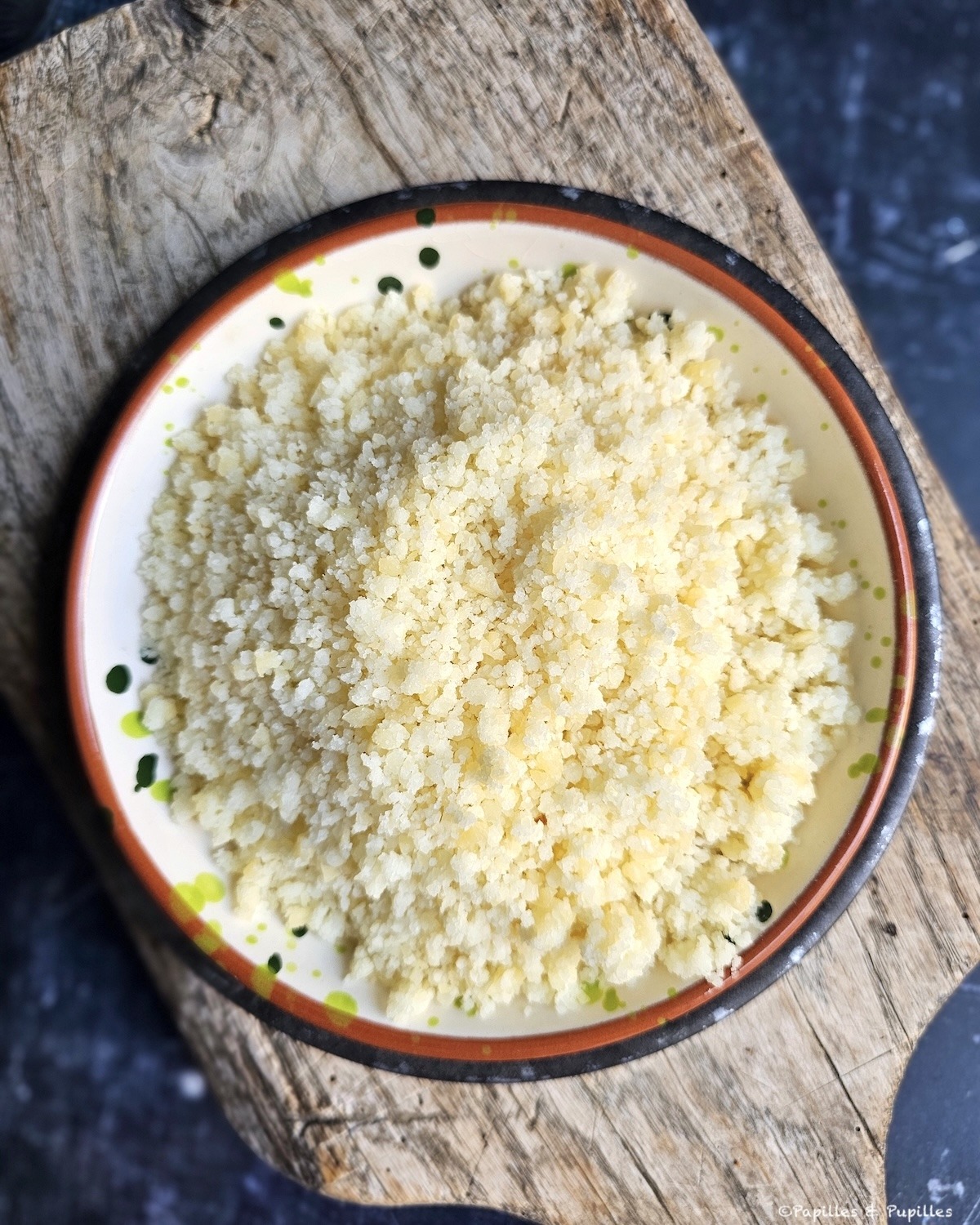 Step 3Finely processed cheeses
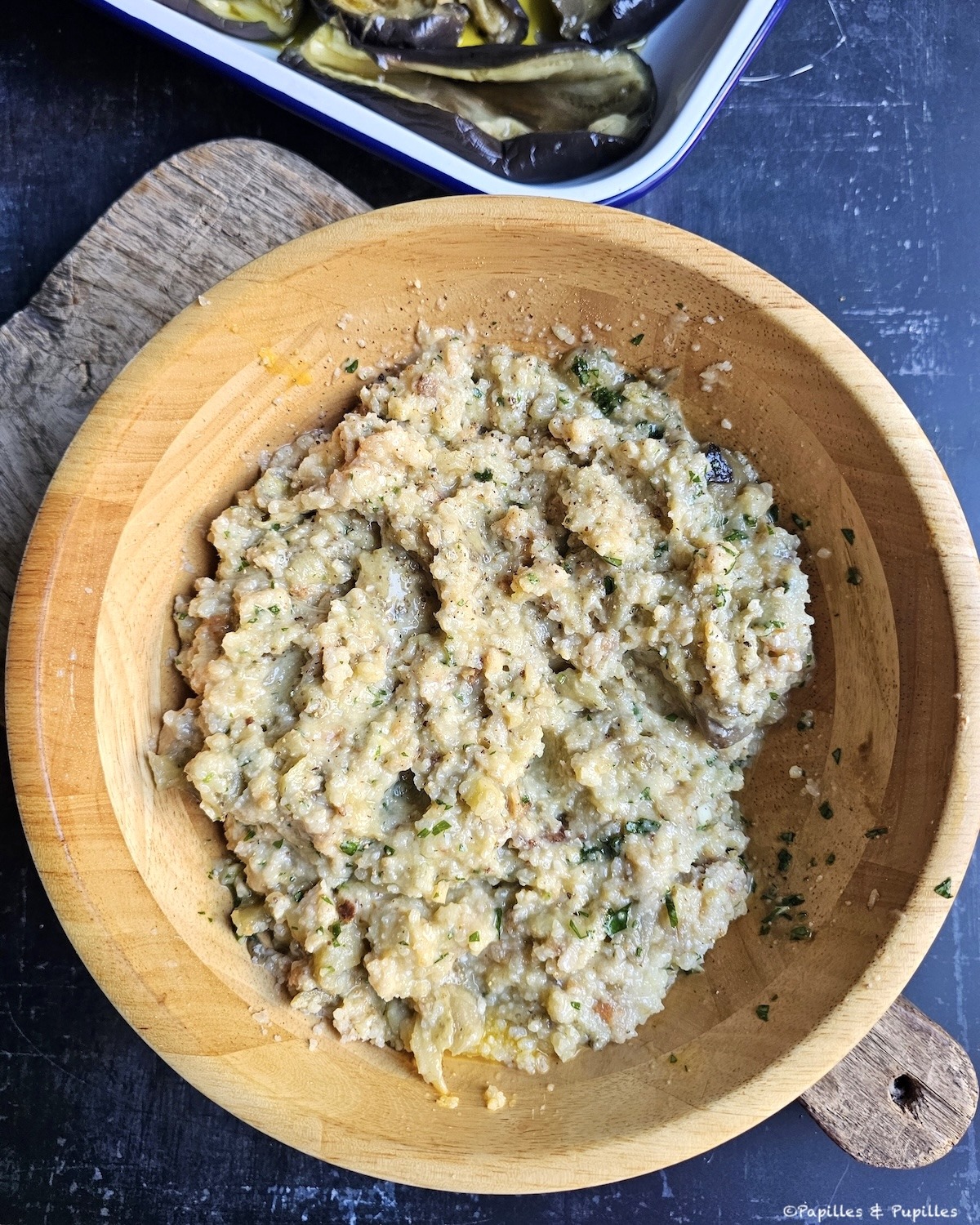 Step 4The mixed filling
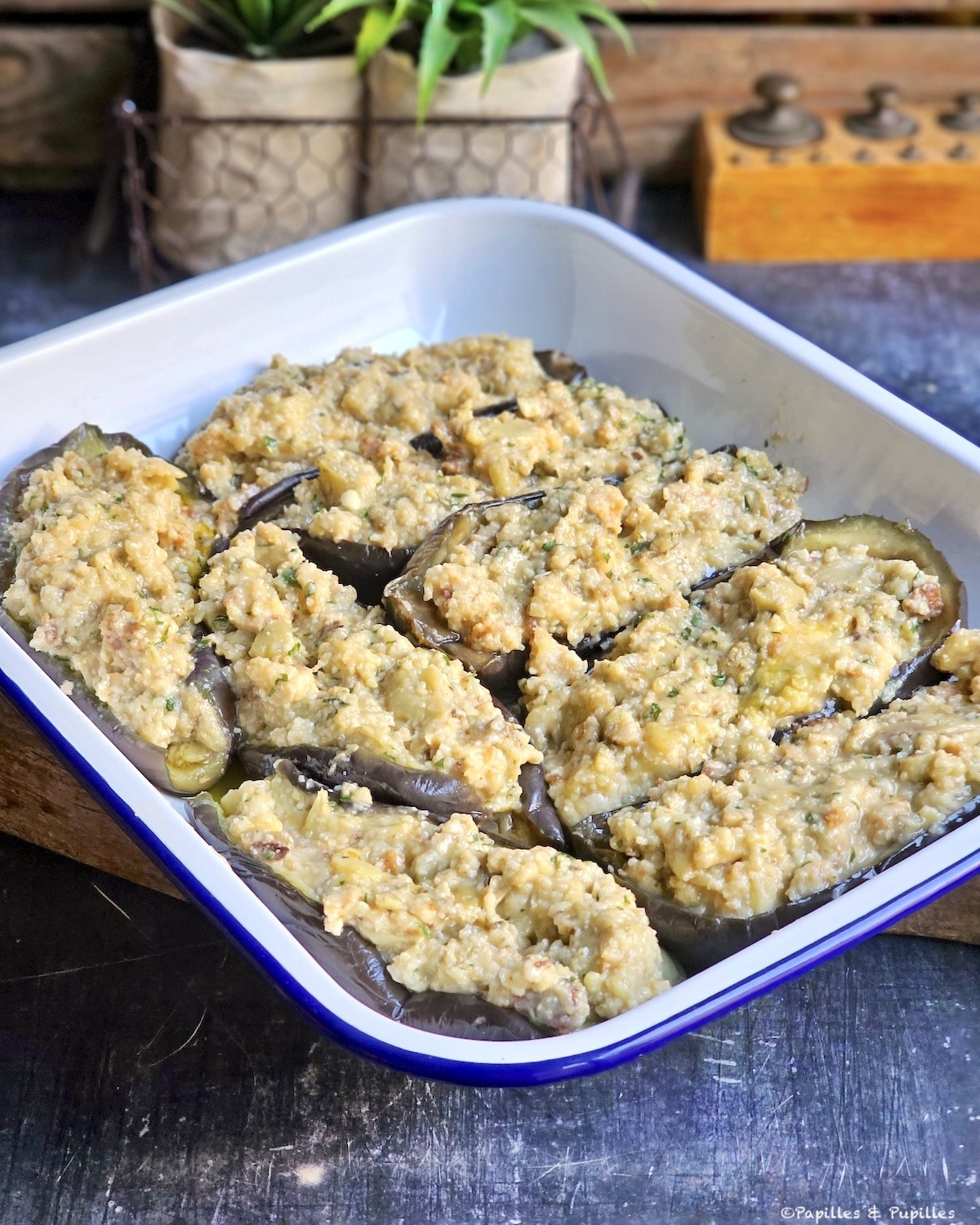 Step 5Stuffed halves ready for the oven
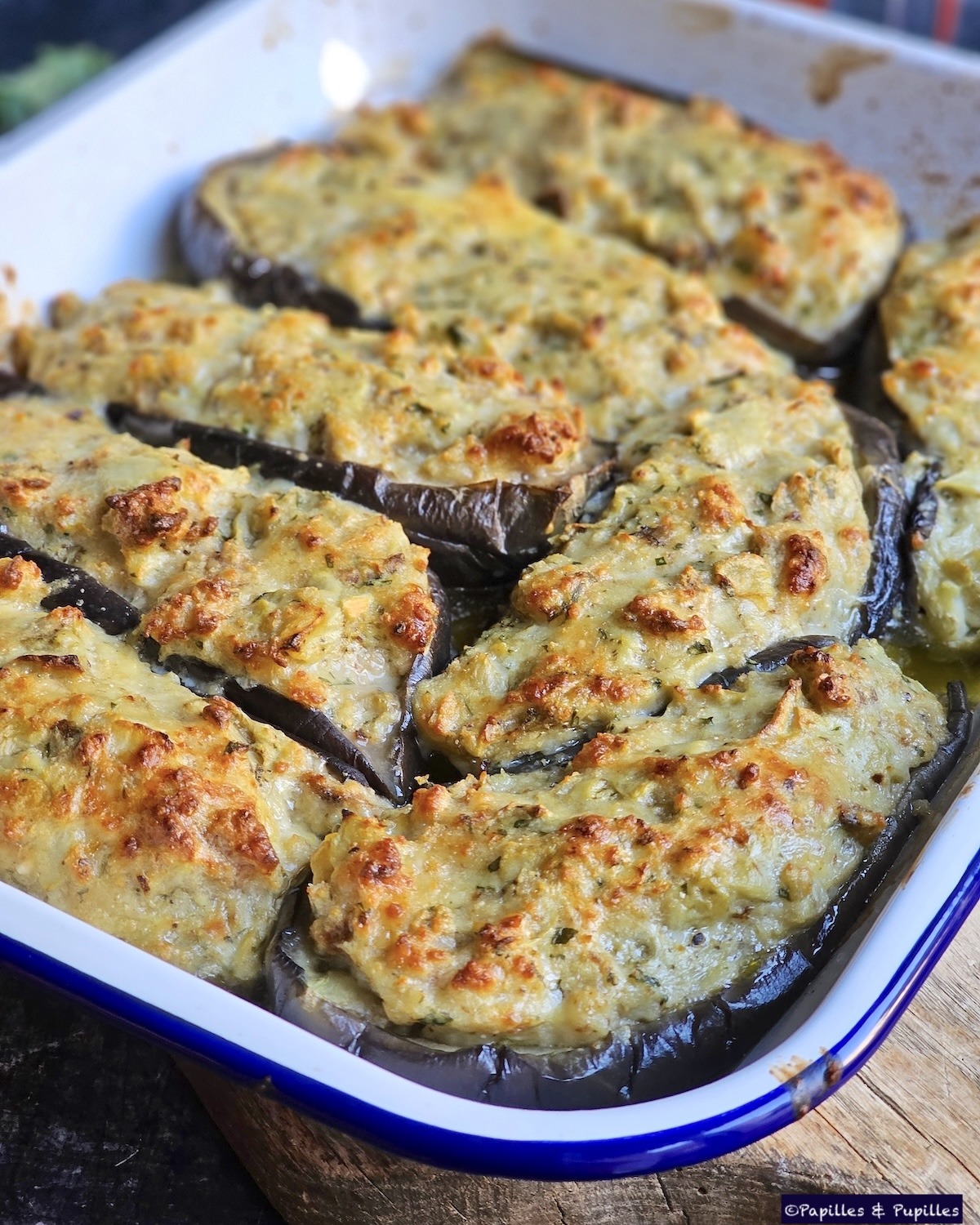 Finished dishGolden aubergines from the oven
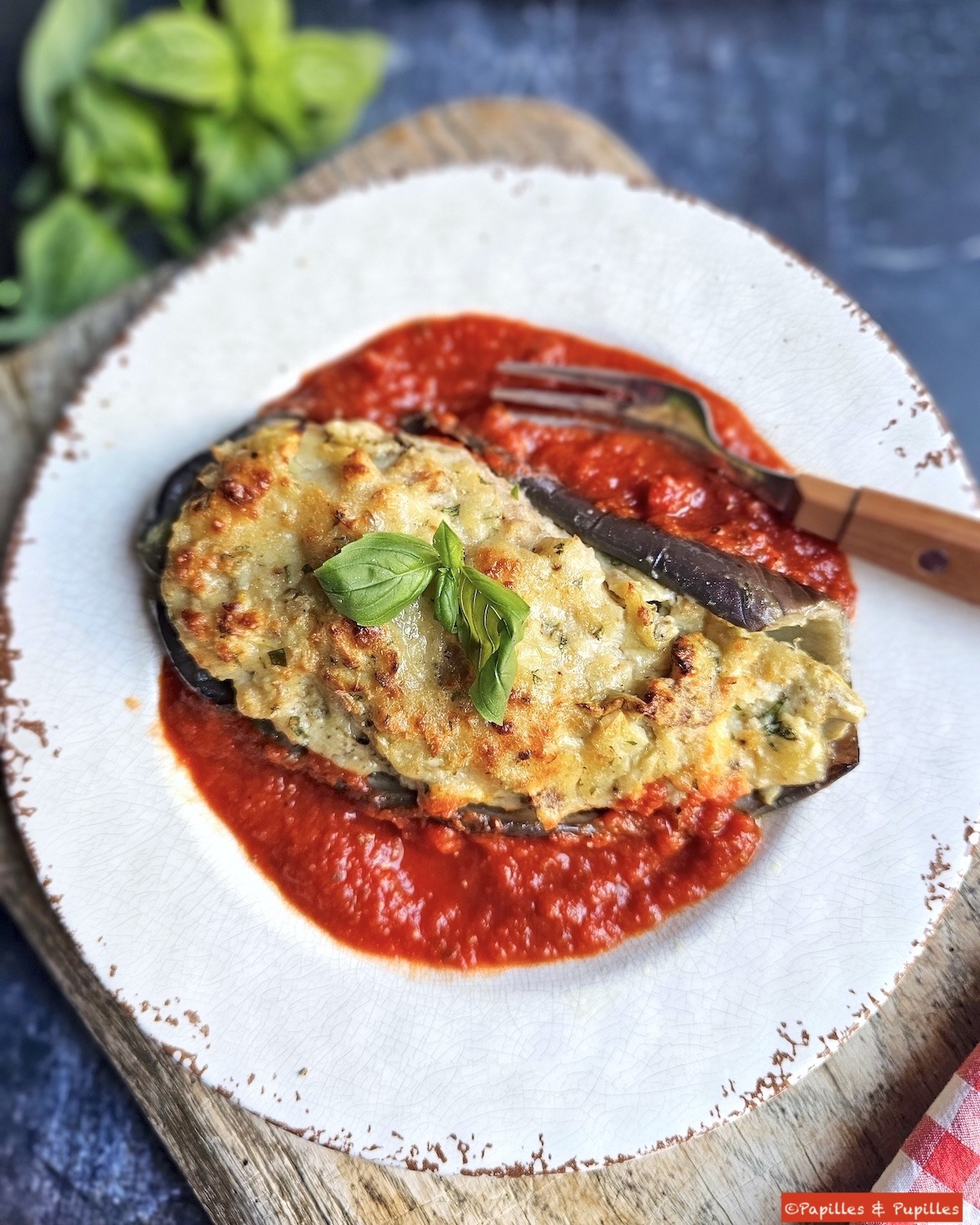 ServingAubergine with tomato sauce
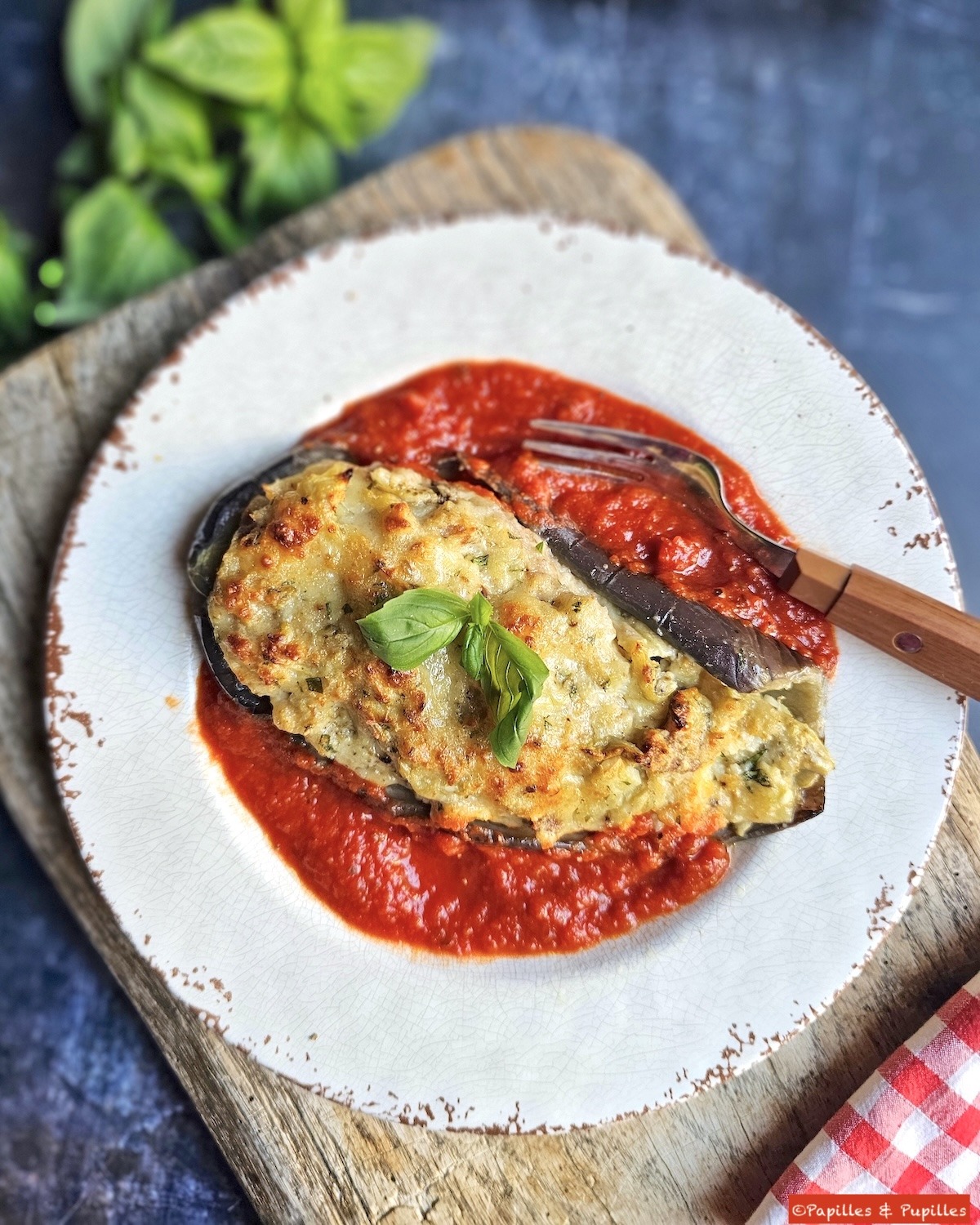 ServingStuffed aubergine ready to serve
About this dish
Bonifacio knows these stuffed aubergines as mirizani, and they have a place at the town’s September celebrations. On 8 September, families gather at the Ermitage de la Trinité and share the aubergines beneath oaks and olive trees after the service, while waiting for the procession. Their bread-and-cheese filling makes a substantial meal from the vegetable’s own flesh.
A television report featuring Max Pichardie of L’An-K prompted Anne Lataillade to make them. She combined his brief outline with Corsican recipes to work out her own proportions. Then practicality intervened: her frying pan would not hold eight halves, so into the oven they went, ready together for the table.
Readily available Basque sheep’s cheese joined the Parmesan. She jokingly asked the Corsicans’ forgiveness, hoping Bonifacio would welcome her back after she had brought the cheese across the Pyrenees. The filling remains generous, with garlic and basil running through it. Pressing excess moisture from both aubergine and bread keeps that mixture soft and cohesive without letting it become waterlogged.
Recipe and cooking notes adapted from Papilles et Pupilles.