Ingredients
Garbure
Method
- The day before, cover the beans with water and soak for at least 12 hours.
- Put ham, peppercorns, piment, clove-studded onion, celery, thyme and bay in a large stockpot. Cover with 4–5 litres of water so everything is immersed. Bring to a boil, reduce to a gentle simmer and cook 90 minutes. Meanwhile wash and cut carrots, turnips and leeks as listed.
- Brown the duck confit over high heat in a frying pan. Drain on kitchen paper and reserve. Discard the fat except approximately 4 tablespoons; sweat the carrots, leeks and turnips in it for a few minutes.
- After the ham has simmered 90 minutes, remove and reserve about ten ladles of broth. Add the sweated vegetables and drained beans to the pot. Bring back to a boil, then simmer for at least 2 hours.
- Add the washed, cored and shredded cabbage. Top up to cover with the reserved broth and cook 30 minutes.
- Add the potato chunks and cook another 30 minutes.
- Add the confit and cook about 15 minutes to warm it through. Taste, add salt if needed and serve.
Equipment
Large stockpot; Frying pan; Ladle; Bowl for soaking
Notes
- Pot and lid: a 9-litre pot gives you room for this batch. Leave the lid partly covering the pot to limit evaporation.
- Beans: Tarbais are ideal; dried lingot beans work well too. Soak them for at least 12 hours. If using beans already cooked in duck fat, remove as much fat as possible and add them at the end.
- Duck confit: the eight pieces can be smaller cuts such as wings, rather than eight whole legs. The vegetables should take the lead.
- Broth and salt: keep the broth removed during cooking and use it to cover the cabbage. Taste before salting at the end, as both the ham and confit bring salt.
- Cabbage and garlic: the cabbage goes straight into the pot without blanching. No garlic is needed in this version.
- Time: allow at least 12 hours for soaking before the published preparation and cooking time. The bean simmer is at least two hours, so cooking may take longer.
- Serving: add lightly toasted country bread alongside. This is a generous, thick soup, the sort in which a spoon might stand up.
- Leftovers: the flavour is even better the next day. Refrigerate and reheat the quantity you need, or freeze in portions for another meal.
Photos
12 photos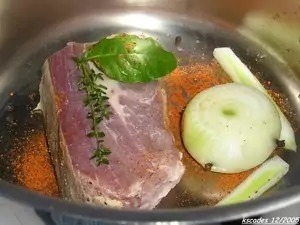 IngredientsHam and aromatics for the broth
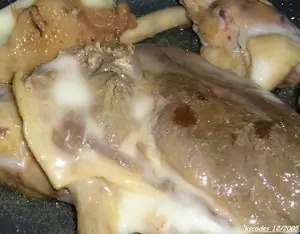 IngredientsDuck confit before browning
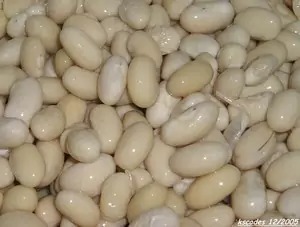 IngredientsWhite beans for the garbure
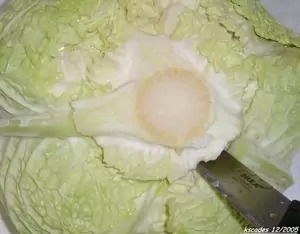 IngredientsCabbage ready for the pot
 Step 2Cut carrots and turnips
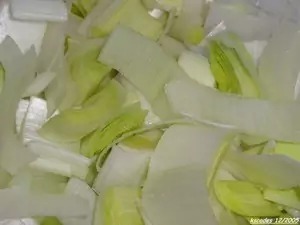 Step 2Prepared leeks
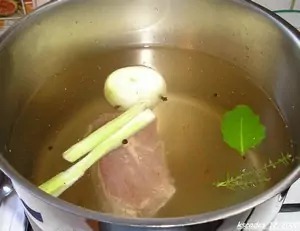 Step 2Cover the ham and aromatics with water
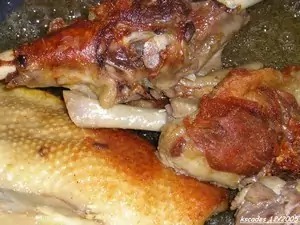 Step 3Brown the duck confit
 Step 6Potatoes simmering in the broth
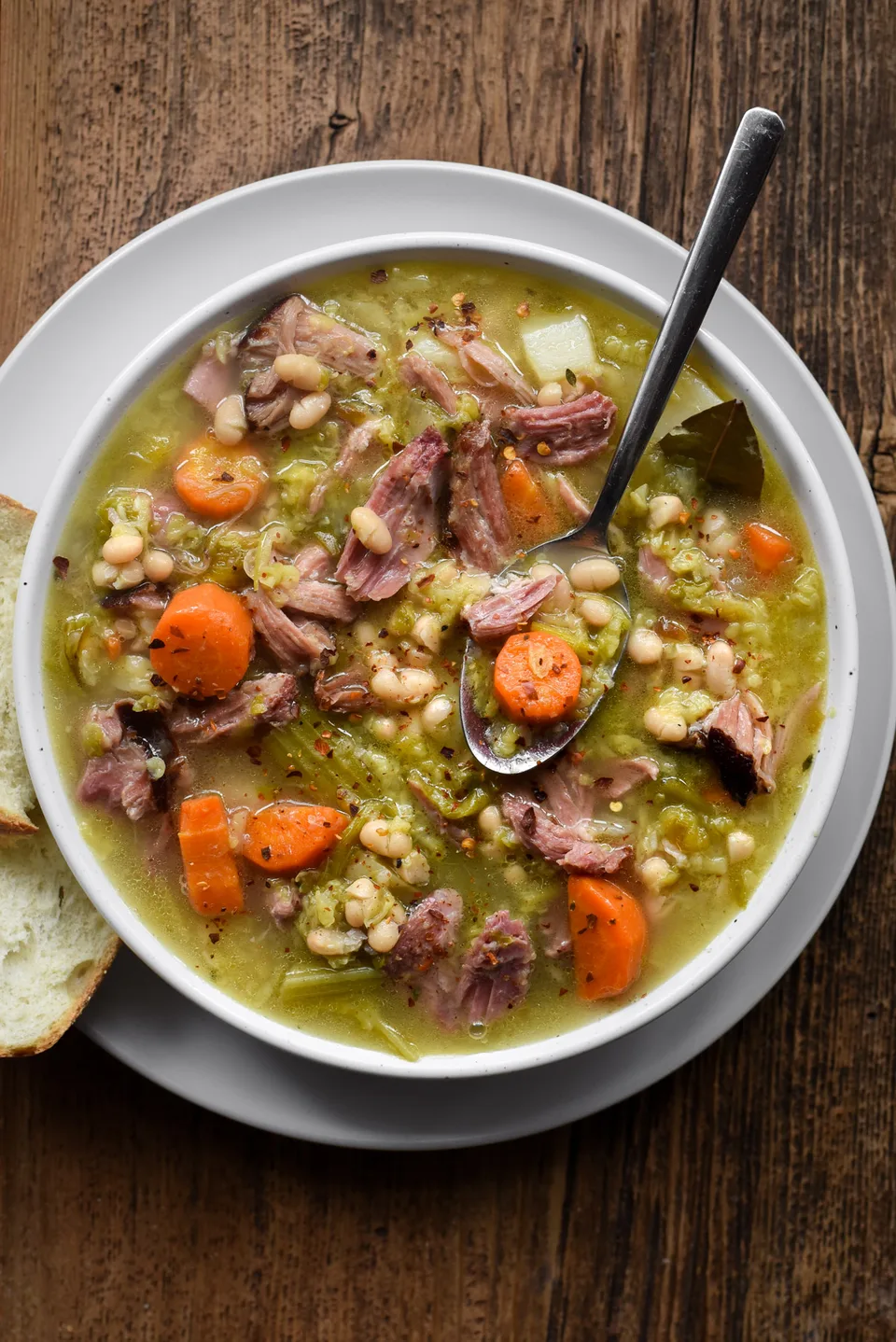
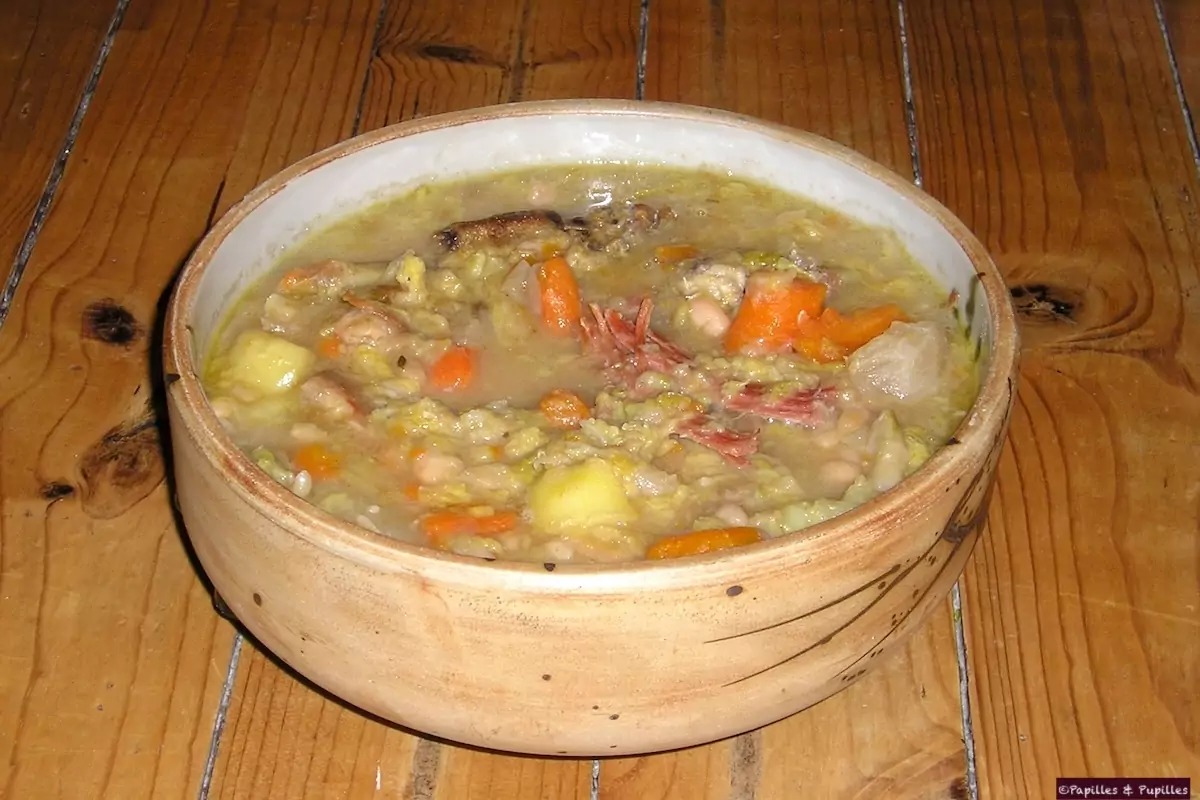 Finished dishGarbure in its serving bowl
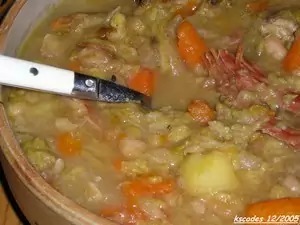 ServingThe texture of the finished soup
 ServingA generous bowl of garbure
About this dish
Garbure belongs to the farmhouse cooking of south-west France, with a strong tradition in Béarn. It makes a meal from garden vegetables, beans and preserved meats, with the pot changing according to the season and the household. Escoffier's 1903 Le Guide Culinaire calls for fresh white beans in season and dried beans at other times, alongside cabbage, root vegetables, pork and goose confit.
Anne Lataillade's version keeps the vegetables at the centre. The ham heel slowly flavours the cooking water, while browning the duck supplies fat for softening the carrots, leeks and turnips. These then simmer with the beans; cabbage and potatoes join later. The confit is already cooked and only needs warming through at the end. The broth gets its flavour from the ingredients themselves.
Garbure has its own celebration in Oloron-Sainte-Marie: the Garburade, with a world championship, great cooking pots, bands and long tables of friends. A farmhouse soup has become a reason to bring a whole town together.
Recipe and cooking notes adapted from Papilles et Pupilles.